
Table of Contents
- What Is Mysore Pak?
- What Is Mysore Pak Made Of?
- Mysore Pak Ingredients
- How to Make Mysore Pak
- How to Prepare Mysore Pak: Step-by-Step Method
- How to Get the Right Mysore Pak Texture
- Tips for a Perfect Traditional Mysore Pak Recipe
- Common Mistakes to Avoid
- How to Store Homemade Mysore Pak
- When Can You Serve Mysore Pak?
- Mysore Pak and South Indian Food Culture
- Conclusion
- Frequently Asked Questions
Overview Summary
Mysore Pak is one of those traditional South Indian sweets that proves a simple ingredient list can create an incredibly rich and satisfying dessert. Made mainly with gram flour, sugar, and ghee, this sweet is known for its distinctive aroma and textures that can range from soft and melt-in-the-mouth to porous and crumbly. If you have ever wondered what Mysore Pak is or what Mysore Pak is made of, this guide covers everything from ingredients and preparation to cooking tips. Follow this Mysore Pak recipe to make a delicious homemade version for festivals, celebrations, or a special family treat.
Key Takeaways
- Mysore Pak is a traditional South Indian sweet made primarily with gram flour, sugar, and ghee.
- The texture can be soft and smooth or porous and crumbly, depending on the cooking stage.
- Sifting the besan before cooking helps create a smoother mixture.
- A one-string sugar syrup provides the right base for incorporating the gram flour.
- Hot ghee and oil should be added gradually while the mixture is stirred continuously.
- A sizzling sound after adding the fat is an important cooking cue in the referenced method.
- The mixture is ready to transfer when it becomes thick, frothy, porous, and starts releasing the fat.
- Preparing the tray before cooking is important because the mixture needs to be transferred quickly.
- Lightly marking the pieces while the sweet is still warm makes cutting easier.
- Starting with a small batch can make it easier for beginners to understand the cooking process.
What Is Mysore Pak?
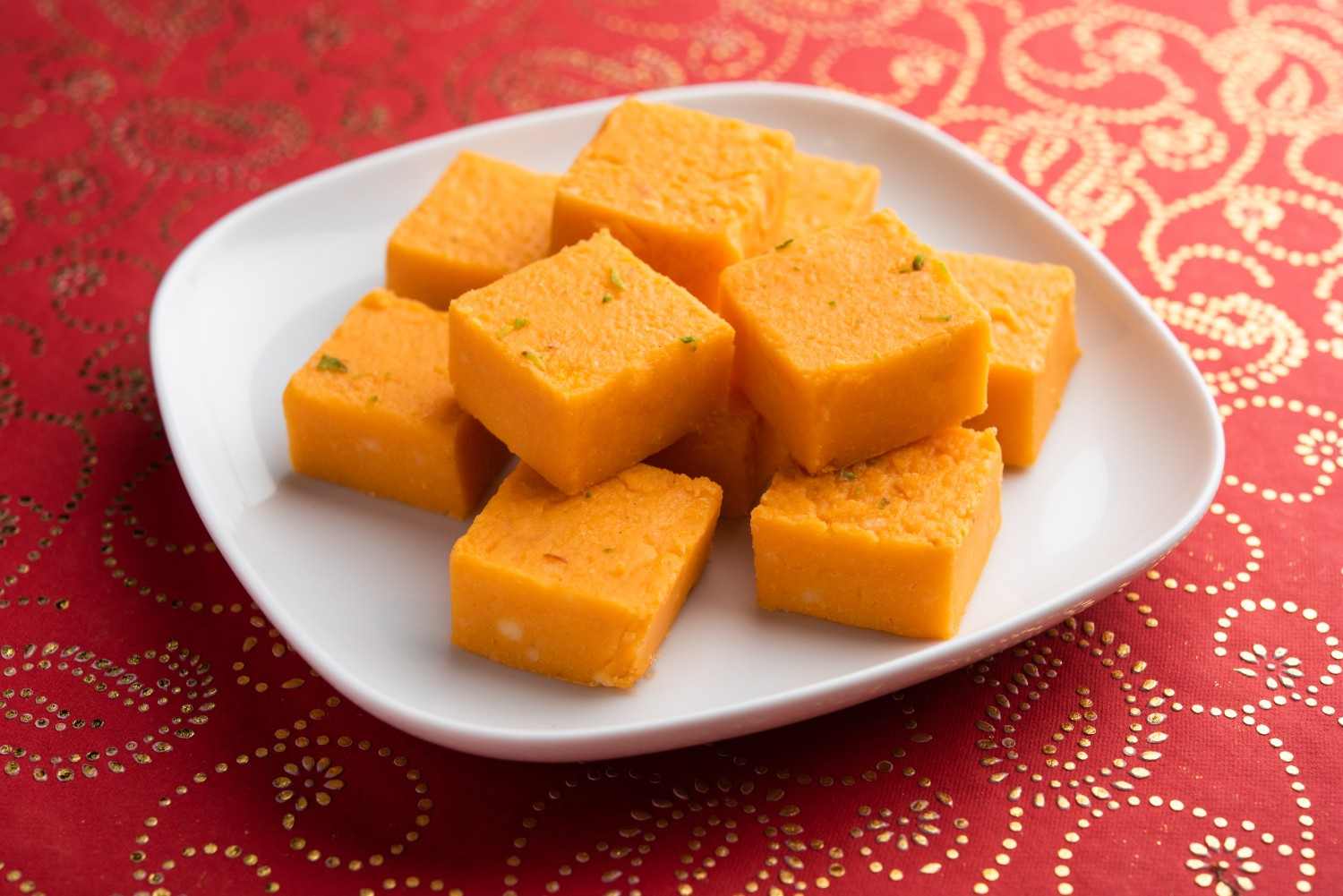
It is a traditional South Indian sweet prepared using gram flour, sugar, and a generous amount of ghee. Depending on the preparation method and cooking stage, it can have a soft, smooth texture or a lighter, porous and crumbly consistency. The sweet is particularly associated with Karnataka and is commonly enjoyed during festivals, weddings, religious occasions, family celebrations, and special gatherings. Its rich taste comes from the combination of roasted gram flour, sweetness from sugar, and the distinctive aroma of ghee.
What makes Mysore Pak interesting is that the ingredients themselves are quite basic. The real skill lies in the cooking process. The sugar syrup has to reach the appropriate stage, the besan needs to be incorporated properly, and the hot fat must be added gradually. The reference recipe uses a small-batch approach with ¼ cup of besan, making it convenient for home cooks who want to prepare a limited quantity rather than a large tray of sweets.
Ingredients Used In The Making Of Mysore Pak
If you are asking what Mysore Pak is made of, the answer is surprisingly simple. The main ingredients are:
- Gram flour or besan
- Sugar
- Ghee
- Neutral cooking oil
- Water
Ghee is responsible for much of the sweet’s rich aroma and flavour. Oil can be combined with ghee to help achieve the desired texture and cooking consistency. The gram flour should ideally be fresh and free from lumps. Sifting it before use is a useful step because it helps the flour blend more evenly into the sugar syrup.
The reference recipe combines equal quantities of besan, ghee, and oil, along with twice the quantity of sugar compared with besan. Approximately 4–6 tablespoons of water are used to dissolve the sugar.
Here are the Mysore Pak ingredients for the small-batch version:
| Ingredient | Quantity |
|---|---|
| Besan/gram flour | ¼ cup |
| Ghee | ¼ cup |
| Neutral cooking oil | ¼ cup |
| Sugar | ½ cup |
| Water | Approximately 4–6 tbsp |
This quantity is suitable when you want to try the recipe without making a large batch. The referenced recipe notes that this small quantity produces around three generous pieces, which can be divided into smaller bites.
Why Each Ingredient Matters
- Besan: Provides the base, structure, colour, and characteristic roasted flavour.
- Sugar: Provides sweetness and helps create the structure of the sweet through the syrup stage.
- Ghee: Adds richness, aroma, and the characteristic melt-in-the-mouth quality associated with Mysore Pak.
- Oil: Used alongside ghee in this version and contributes to the cooking process and final texture.
- Water: Helps dissolve the sugar and create the syrup required before the besan is added.
How to Prepare Mysore Pak: Step-by-Step Method
Wondering how to make Mysore Pak without ending up with a hard or uneven sweet? The secret is to prepare everything before you switch on the stove. The most important thing to remember is that Mysore Pak changes consistency quickly towards the end. So, keep your ingredients ready and do not leave the pan unattended.
Step 1: Grease the Tray
Take a small tray or shallow container and coat it generously with ghee.
Keep it close to your cooking area so that you can transfer the mixture immediately once it reaches the correct stage.
Step 2: Sieve the Besan
Sieve ¼ cup of besan into a bowl.
This removes lumps and gives you a smoother flour to work with. Keep the sieved flour aside.
Step 3: Heat the Ghee and Oil
Combine ¼ cup ghee and ¼ cup oil in a pan.
Heat them together over a low flame and keep the mixture warm. Do not allow it to smoke or become excessively hot.
The reference recipe specifically recommends keeping this ghee-oil mixture on low heat while the rest of the preparation is completed.
Step 4: Make the Sugar Syrup
Add ½ cup sugar and approximately 4–6 tablespoons of water to a heavy-bottomed pan.
Bring it to a boil and allow it to cook until it reaches a one-string consistency. The reference method indicates cooking the syrup for around four minutes, though the exact time can vary depending on the pan and heat.
The consistency is more important than the exact cooking time.
Step 5: Add the Besan
Once the syrup reaches the required stage, gradually add the sieved besan. Keep stirring continuously as you add it.
The mixture may initially develop small lumps. Do not panic. Continue stirring, and the lumps should gradually break down as the flour combines with the syrup.
Step 6: Add the Ghee and Oil Gradually
This is one of the most important stages of the entire Mysore Pak recipe.
Keep the flame at medium-low and start adding the warm ghee-oil mixture one ladle at a time.
Do not pour everything in at once.
After each addition, keep stirring until the fat is absorbed before adding the next portion. According to the reference method, the mixture should produce a noticeable sizzling effect when the hot fat is added.
Step 7: Continue Stirring
As you continue adding the ghee-oil mixture, the consistency will change.
The mixture will become thicker, heavier, and more cohesive. Continue stirring steadily so that it does not stick to the bottom of the pan. This stage requires patience. Rushing the process can make it difficult to achieve the characteristic texture.
Step 8: Look for the Final Cooking Cue
This is where experience becomes helpful.
As the mixture approaches the correct stage, it will stop absorbing the ghee and oil as readily. Instead, some of the fat will begin to separate or release. The mixture will also become frothy and porous and begin coming together as a single mass.
The reference recipe compares this texture to a fermented batter and identifies the combination of fat release, frothing, and porous texture as the signal to remove the mixture from the heat.
Step 9: Transfer It Immediately
Once the mixture reaches the desired stage, immediately pour it into the greased tray.
Use a greased spoon to gently level the surface.
Do not press it down heavily. Keeping the mixture relatively light can help retain its porous structure.
Step 10: Mark the Pieces
While the mixture is still warm, lightly mark the desired shapes with a knife.
You can make squares, rectangles, or smaller bite-sized pieces depending on how you plan to serve the sweet.
Step 11: Allow It to Cool
Let the Mysore Pak cool naturally.
The referenced recipe recommends covering the tray and allowing it to rest for approximately 3–4 hours. It also notes that residual heat continues to work on the sweet during cooling. Once completely cool, turn the tray over and separate the pieces along the marked lines.
How to Get the Right Mysore Pak Texture
The final texture is one of the most interesting aspects of homemade Mysore Pak.
- Soft Mysore Pak: If you prefer a softer, smoother sweet, the mixture should not be taken too far into the porous stage. The resulting pieces can have a softer, richer texture.
- Porous and Crumbly Mysore Pak: For a more traditional porous version, continue cooking until the mixture becomes frothy and begins releasing the fat.
This creates a lighter, crumbly structure.
The reference recipe specifically describes the final mixture as frothy and porous and notes that this produces a crumbly traditional texture.
Why Cooking Time Matters
Mysore Pak is not a recipe where simply following a fixed number of minutes guarantees the same result every time. Pan size, flame intensity, ingredient temperature, and batch quantity can all affect the cooking process.
That is why it is better to observe the mixture’s appearance and consistency rather than depend entirely on the clock.
Tips for a Perfect Traditional Mysore Pak Recipe
If you are trying a traditional Mysore Pak recipe for the first time, these tips can make the process easier.
- Keep Everything Ready: Prepare the tray, sieve the besan, and warm the ghee and oil before starting the sugar syrup.
- Use a Heavy-Bottomed Pan: A heavy-bottomed pan distributes heat more evenly and gives you better control while cooking the thick mixture.
- Add the Fat Slowly: Gradual addition is essential. Give the mixture time to absorb each portion before adding more.
- Keep Stirring: Do not stop stirring once the besan has been incorporated. This is particularly important as the mixture thickens.
- Do Not Depend Only on Time: The appearance of the mixture is a better indicator than a fixed cooking time.
- Do Not Over-Compress the Mixture: Once transferred to the tray, gently level it rather than pressing it firmly.
- Mark While Warm: The sweet becomes firmer as it cools, so lightly marking the pieces while warm makes the final cutting easier.
Common Mistakes to Avoid
Even though the ingredient list is short, there are a few common mistakes that can affect the result.
- Using Unsieved Besan: Lumps can make the finished sweet uneven. Always sieve the flour before beginning.
- Adding Cold Fat: Cold ghee or oil can interfere with the cooking temperature. Keeping the fat warm makes gradual incorporation easier.
- Pouring in All the Fat Together: The mixture needs time to absorb the fat. Add it gradually rather than all at once.
- Cooking Too Long: Overcooking can make Mysore Pak excessively hard or dry.
- Removing It Too Early: If the mixture has not reached the required consistency, it may not set correctly.
- Preparing the Tray at the Last Minute: Once the mixture is ready, you need to move quickly. Always grease the tray beforehand.
How to Store Homemade Mysore Pak
After the sweet has cooled completely, place the pieces in a clean, airtight container.
Keep them away from moisture and direct sunlight. If you are stacking several pieces, use food-safe paper between the layers to prevent sticking. Since homemade Mysore Pak does not contain commercial preservatives, its storage life can vary depending on preparation, ingredients, handling, and room temperature.
For the best taste and texture, prepare a quantity that can be enjoyed while fresh.
When Can You Serve Mysore Pak?
Mysore Pak is an excellent choice for occasions when you want to serve a traditional Indian sweet.
You can prepare it for:
- Diwali
- Weddings
- Housewarming ceremonies
- Religious celebrations
- Family gatherings
- South Indian festive meals
- Birthday celebrations
- Special dinners
- Tea-time snacks
It also works well as a homemade edible gift. Cut the pieces neatly, place them in a food-safe box, and they can become a thoughtful addition to a festive hamper.
Mysore Pak and South Indian Food Culture
Traditional sweets often carry memories beyond their ingredients. Mysore Pak is closely connected with celebrations, festive meals, weddings, and family occasions across South India.
Its appeal comes not only from its sweetness but also from its distinctive ghee aroma and texture. Different cooks may prefer different consistencies, with some favouring a soft, smooth version and others enjoying a porous and crumbly preparation. This versatility makes Mysore Pak an interesting sweet to prepare at home. A small batch allows you to understand how changes in cooking affect the final result.
Also Read: How to Make Authentic Masala Dosa at Home: Amma’s Rasoi Recipe
Conclusion
Making Mysore Pak at home may seem challenging at first, but the recipe becomes much easier once you understand the important cooking cues. The ingredients are simple: besan, sugar, ghee, oil, and water, but the final result depends on how carefully they are combined and cooked.
The key is to prepare everything beforehand, achieve the right sugar syrup consistency, add the warm ghee and oil gradually, and watch for the point when the mixture becomes thick, frothy, porous, and starts releasing fat.
If you are new to this sweet, begin with the small-batch Mysore Pak recipe outlined above. Once you become comfortable with the process, you can adjust the quantities and experiment with softer or more crumbly textures.
With a little patience and practice, how to make Mysore Pak can become a rewarding part of your festive cooking routine, giving you a rich and traditional South Indian sweet to enjoy with family and friends.