
Overview Summary
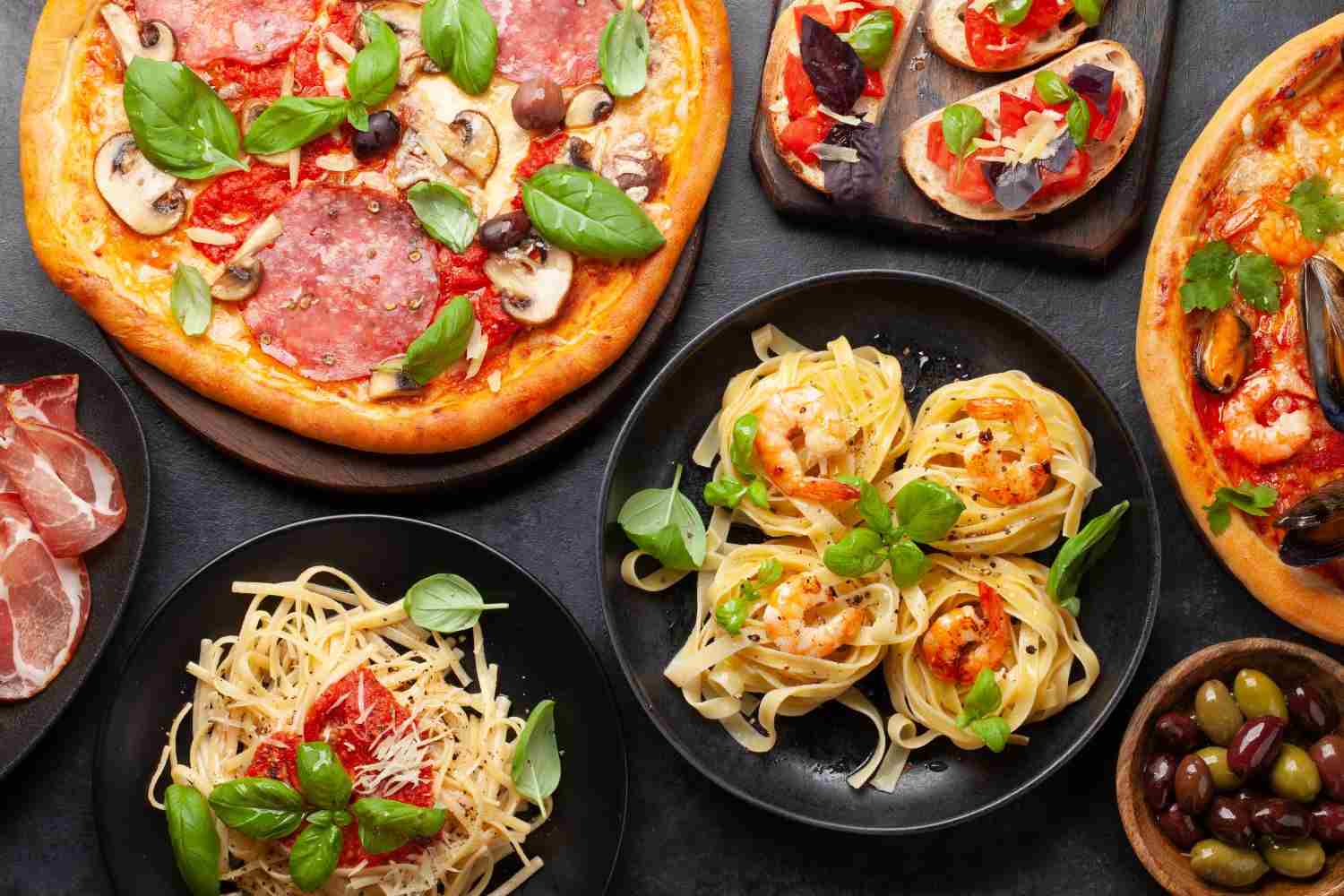
Italian cuisine is celebrated for its simple ingredients, regional diversity, comforting flavours, and long-standing culinary traditions. From creamy pasta and wood-fired pizza to delicate desserts and classic breakfast preparations, Italian cuisine dishes offer something for almost every food lover. This guide explores 15 popular and traditional Italian dishes, along with classic Italian breakfast foods, a brief history of Italian cuisine, different types of Italian food, and practical insights into how to prepare Italian food at home.
Table of Contents
- Introduction to Italian Cuisine
- A Brief History of Italian Cuisine
- What Makes Italian Cuisine Special?
- Types of Italian Food
- 15 Must-Try Italian Cuisine Dishes
- Italian Breakfast Foods and Recipes
- How to Prepare Italian Food at Home
- Tips for Enjoying Authentic Italian Flavours
- Conclusion
- Frequently Asked Questions
Key Takeaways
- Italian cuisine dishes are known for fresh ingredients, balanced flavours, and regional cooking traditions.
- Italy’s culinary identity differs from one region to another, creating a wide variety of dishes and ingredients.
- Pasta, pizza, risotto, lasagna, and tiramisu are among the internationally recognised Italian foods.
- Traditional Italian dishes often rely on relatively simple ingredients prepared carefully rather than complicated cooking techniques.
- Italian breakfast foods are generally lighter and sweeter than many traditional lunch or dinner dishes.
- Coffee, cornetto, biscotti, bread, and pastries are commonly associated with famous Italian breakfast dishes.
- Italian cuisine includes pasta, rice dishes, breads, soups, meat preparations, seafood, vegetables, cheeses, and desserts.
- Learning how to prepare Italian food starts with understanding ingredient quality, cooking methods, seasoning, and regional traditions.
- Exploring a famous Italian foods list is a useful way to discover the country’s culinary diversity.
- Italian food can be recreated at home by focusing on fresh ingredients, proper cooking times, and simple preparation.
Introduction
Italian food has become one of the most recognisable cuisines around the world. Its appeal comes from the way everyday ingredients are transformed into satisfying meals through careful preparation. Tomatoes, olive oil, garlic, herbs, wheat, cheese, vegetables, seafood, and meat all play important roles in different Italian culinary traditions.
When people think about Italian cuisine dishes, pasta and pizza are often the first foods that come to mind. However, Italian cooking extends far beyond these familiar favourites. Every region has its own ingredients, recipes, cooking methods, and food traditions.
Northern Italy is known for dishes featuring rice, butter, polenta, and rich sauces, while central regions are famous for pasta, beans, vegetables, and olive oil-based preparations. Southern Italy is strongly associated with tomatoes, seafood, citrus fruits, olive oil, and wheat-based foods. This regional variety makes Italian cuisine particularly interesting for food lovers. Whether you prefer a comforting pasta dish, a crispy pizza, a creamy risotto, or a delicate dessert, there are countless options to explore.
A Brief History of Italian Cuisine
Understanding the brief history of Italian cuisine helps explain why the food culture of Italy is so diverse.
Italian culinary traditions have developed over centuries and have been influenced by the different peoples, regions, agricultural practices, and historical events that shaped the Italian peninsula. Ancient Roman food traditions contributed to the development of several ingredients and preparation methods. Over time, regional cuisines evolved according to local agriculture, climate, trade, and cultural influences.
The introduction and widespread use of ingredients such as tomatoes, particularly after they arrived in Europe from the Americas, eventually transformed many Italian recipes. Tomatoes became an important part of numerous southern and central Italian preparations. Pasta also developed into many regional forms. Different shapes were created to work with particular sauces and ingredients. In some areas, pasta was traditionally made by hand, while dried pasta became particularly important in regions such as Sicily and Campania.
The modern identity of Italian cuisine became increasingly connected with regional traditions rather than one single national style. Even today, a dish prepared in northern Italy can differ significantly from a similar-looking dish prepared in Sicily.
This regional character is one of the defining features of Italian food culture.
What Makes Italian Cuisine Special?
Several characteristics make Italian cuisine dishes distinctive.
-
Fresh and Seasonal Ingredients
Italian cooking traditionally places considerable emphasis on using ingredients when they are fresh and readily available. Tomatoes, vegetables, herbs, fruits, seafood, and dairy products can vary depending on the season and region.
-
Simple Preparation
Many Italian recipes use a small number of ingredients. Instead of covering every ingredient with heavy sauces or excessive seasoning, the cooking process often aims to preserve the natural flavour of the main ingredients.
-
Regional Identity
There is no single Italian food style. Recipes differ between regions and even between neighbouring towns. Local ingredients and traditions strongly influence what appears on the table.
-
Importance of Pasta and Bread
Wheat-based foods have an important place in Italian cuisine. Pasta and bread appear in numerous forms, from handmade pasta to regional breads and baked dishes.
-
Balance of Flavours
Italian cooking often focuses on balancing acidity, saltiness, richness, freshness, and texture. Ingredients such as olive oil, herbs, cheese, tomatoes, and citrus can add distinct layers to a dish without overwhelming its primary flavours.
Types of Italian Food
There are many types of Italian food, ranging from simple everyday meals to elaborate dishes prepared for celebrations.
Some major categories include:
- Pasta dishes
- Pizza and flatbreads
- Rice-based dishes
- Soups and stews
- Meat preparations
- Seafood dishes
- Vegetable-based recipes
- Cheese-based dishes
- Breads and baked foods
- Desserts and pastries
- Coffee and breakfast foods
These categories overlap because many Italian recipes combine several food traditions in one dish.
For example, lasagna combines pasta sheets, sauce, cheese, and other fillings, while pizza combines bread dough with toppings and regional ingredients.
15 Must-Try Italian Cuisine Dishes
Here is a selection of popular Italian cuisine dishes that represent different ingredients, cooking techniques, and regional traditions.
1.Pizza Margherita
Pizza Margherita is one of the most internationally recognised Italian foods.
It traditionally features a simple combination of tomato, mozzarella, and basil on a pizza base. The colours are often associated with the Italian flag, although the dish’s history and development are more nuanced than the popular story suggests.
The appeal of Margherita lies in its simplicity. A well-prepared crust combined with good-quality tomato, mozzarella, and basil can create a balanced and satisfying meal.
2. Pasta Carbonara
Pasta carbonara is a classic Roman preparation traditionally made with pasta, eggs, Pecorino Romano, guanciale, and black pepper.
One of the most important aspects of carbonara is achieving a creamy texture without turning the eggs into scrambled eggs. The heat from the pasta helps create a smooth sauce when combined with the egg and cheese mixture.
It is a good example of how traditional Italian dishes can use only a few ingredients while producing rich flavour.
3. Lasagna
Lasagna consists of layers of pasta, sauce, cheese, and other ingredients depending on the recipe.
Lasagna alla Bolognese, associated with Emilia-Romagna, traditionally uses a meat-based ragù along with pasta and béchamel. Other versions may contain vegetables, different cheeses, or regional ingredients.
The layered structure makes lasagna a popular comfort food and a common choice for family meals and gatherings.
4. Risotto alla Milanese
Risotto alla Milanese is a famous northern Italian rice dish associated with Milan.
Its characteristic golden colour comes from saffron. The rice is gradually cooked with liquid while being stirred and finished with ingredients such as butter and cheese.
The result should be creamy while retaining a pleasant bite in the rice.
This dish demonstrates the importance of technique in Italian cooking, particularly when preparing rice.
5. Ravioli
Ravioli are filled pasta pieces that can contain cheese, vegetables, meat, or other fillings.
They can be served with a range of sauces, from simple butter and sage to tomato-based or meat sauces.
Because fillings and shapes vary across regions, ravioli also demonstrate the diversity found within Italian cuisine.
6. Gnocchi
Gnocchi are small dumplings that can be made using potatoes, flour, and other ingredients depending on the recipe.
Potato gnocchi are among the best-known versions. They can be paired with tomato sauce, pesto, butter and sage, cheese sauces, or other preparations.
Their soft texture makes them distinct from traditional dried pasta.
7. Fettuccine Alfredo
Fettuccine Alfredo is widely known internationally as an Italian-American favourite. The original Roman preparation is associated with Alfredo di Lelio and traditionally centres on fresh pasta, butter, and Parmigiano-Reggiano.
The dish illustrates how Italian food traditions can evolve as recipes travel internationally.
8. Parmigiana di Melanzane
Parmigiana di melanzane is a southern Italian dish featuring layers of eggplant, tomato sauce, cheese, and other ingredients depending on the regional preparation.
The eggplant is typically cooked before being layered with sauce and cheese and baked.
It is a satisfying example of how vegetables can become the central ingredient in a hearty Italian meal.
9. Osso Buco
Osso buco is traditionally associated with Milanese cuisine. It features cross-cut veal shanks slowly cooked with vegetables, broth, and other ingredients.
The slow cooking process helps develop a rich flavour and tender texture.
It is commonly served with a starch or rice preparation, depending on the meal and regional tradition.
10. Ribollita
Ribollita is a traditional Tuscan soup associated with peasant cooking.
It commonly includes vegetables, beans, bread, and other ingredients. The name refers to the idea of “reboiling” the soup.
The dish demonstrates how traditional Italian cooking often developed around making nutritious and satisfying meals from locally available ingredients.
11. Minestrone
Minestrone is a vegetable-based soup that can vary greatly depending on the season and region.
It may include vegetables, beans, pasta, rice, or other ingredients. Because there is no single fixed recipe, minestrone is an excellent example of the flexibility of Italian home cooking.
12. Panzanella
Panzanella is a Tuscan bread salad traditionally made with stale bread, tomatoes, onions, and other fresh ingredients.
The recipe reflects the Italian tradition of reducing food waste by transforming leftover bread into a flavourful meal.
It is particularly suited to warm weather because of its fresh ingredients and simple preparation.
13. Caprese Salad
Caprese salad is a simple preparation featuring tomatoes, mozzarella, basil, olive oil, and seasoning.
Its appeal comes from the freshness of the ingredients rather than complicated preparation.
The combination creates a balance of creamy, juicy, herbal, and savoury flavours, making it a popular starter or side dish.
14. Tiramisu
Tiramisu is one of the most famous Italian desserts.
The classic preparation generally combines coffee-soaked ladyfingers with a mascarpone-based cream and cocoa. The dessert is served chilled, allowing the flavours and textures to develop.
Tiramisu has become popular worldwide and is now available in many variations.
15. Cannoli
Cannoli are traditional Sicilian pastries consisting of crisp fried pastry shells filled with a sweet ricotta-based filling.
They may be finished with ingredients such as pistachios, chocolate, or candied fruit.
Their contrast between the crisp shell and creamy filling makes cannoli a distinctive Italian dessert.
Italian Breakfast Foods and Recipes
Breakfast in Italy is often lighter and simpler than the large savoury breakfasts found in some other countries.
Many Italian breakfast foods focus on coffee, bread, pastries, and sweet flavours.
- Cornetto: Cornetto is a popular Italian breakfast pastry often enjoyed with coffee. It resembles a croissant but can differ in ingredients and preparation. It may be served plain or filled with ingredients such as pastry cream, jam, or chocolate.
- Biscotti: Biscotti are twice-baked biscuits that can be enjoyed with coffee or another beverage. Different regions have their own variations, making biscotti an interesting addition to the list of famous Italian breakfast dishes.
- Pane e Marmellata: Bread served with jam is another simple breakfast option. It reflects the straightforward nature of many Italian morning meals.
- Coffee: Coffee is an important part of Italian breakfast culture. Espresso and milk-based coffee drinks are commonly enjoyed in the morning.
- Yogurt and Fruit: Modern Italian breakfasts may also include yogurt, fresh fruit, cereals, or other lighter foods.
Italian Breakfast Recipes to Try at Home
If you are exploring Italian breakfast recipes, you can begin with simple preparations that do not require complicated equipment.
- Simple Italian-Style Breakfast Toast: Toast a slice of good-quality bread and serve it with fruit preserves. Add fresh fruit and a cup of coffee for a simple morning meal.
- Yoghurt with Fruit and Biscotti: Serve plain or lightly sweetened yoghurt with seasonal fruit and crushed biscotti. This provides a combination of creamy and crunchy textures.
- Warm Cornetto-Style Pastry: Ready-made pastry dough can be shaped into crescent forms, filled if desired, and baked until golden. Serve warm with coffee.
These are home-friendly interpretations rather than claims of representing every regional Italian breakfast tradition.
How to Prepare Italian Food at Home
Learning how to prepare Italian food does not necessarily require advanced culinary skills. The key is to understand a few basic principles.
-
Choose Good-Quality Ingredients
Because many Italian recipes use relatively few ingredients, their quality can significantly affect the final dish.
Fresh vegetables, good-quality cheese, herbs, olive oil, and properly stored pasta can make a noticeable difference.
-
Do Not Overcomplicate the Recipe
Italian cooking often allows the main ingredients to remain noticeable. Avoid adding unnecessary ingredients simply to make a recipe more elaborate.
-
Pay Attention to Cooking Time
Pasta, rice, vegetables, and meats require different cooking times. Pasta, for example, is often cooked until al dente rather than being allowed to become excessively soft.
-
Season Gradually
Salt and herbs should be added thoughtfully. Taste during cooking and adjust seasoning according to the recipe.
-
Respect Texture
Texture is an important part of Italian food. Pasta should have structure, risotto should be creamy but not mushy, and baked dishes should have an appropriate balance between crisp and soft textures.
Tips for Enjoying Authentic Italian Flavours
If you want to explore a famous Italian foods list, avoid limiting yourself to pizza and pasta.
Try dishes from different regions and food categories. Explore northern Italian rice dishes, central Italian pasta recipes, southern vegetable preparations, Sicilian desserts, and regional breads.
It is also useful to understand that many dishes have several variations. A recipe prepared in one Italian household may not be identical to one prepared elsewhere. When cooking at home, focus on the essential ingredients and traditional cooking principles rather than trying to reproduce every restaurant-style presentation.
Also Read: 10 Must-Try Karnataka Dishes at Amma’s Rasoi in Noida
Conclusion
Exploring Italian cuisine dishes is a journey through centuries of culinary traditions, regional ingredients, and simple yet thoughtful cooking techniques. From pizza Margherita and pasta carbonara to risotto, ravioli, tiramisu, and cannoli, the variety of Italian food offers plenty for every type of food lover.
The country’s cuisine is particularly interesting because there is no single definition of what Italian food should be. Northern, central, and southern regions have developed distinctive dishes based on their local ingredients and cultural histories.
Whether you are exploring famous Italian food list options, experimenting with Italian breakfast recipes, or learning how to prepare Italian food at home, start with fresh ingredients and straightforward techniques. Understanding the regional background of traditional Italian dishes can also make the experience more meaningful.
Italian cuisine ultimately demonstrates that memorable food does not always require complicated recipes. With quality ingredients, careful preparation, and respect for tradition, even simple dishes can become satisfying culinary experiences.