
Overview Summary
This blog explores the benefits of aqua therapy for stress relief, pain management, and physical recovery. It explains what aqua therapy is, its uses, and how water-based exercises support flexibility, strength, and relaxation. The article also highlights aqua therapy for back pain and aqua therapy exercises for knee pain, while discussing mental wellness, rehabilitation benefits, and practical tips for beginners seeking a safe and effective recovery method.
Introduction
Modern lifestyles often bring stress, muscle fatigue, joint stiffness, and chronic discomfort that affect overall well-being. This is where aqua therapy has gained attention as a gentle yet effective form of rehabilitation and relaxation. Many people ask, what is aqua therapy, and why is it becoming increasingly popular for physical recovery and mental wellness. Performed in warm water, this therapeutic practice combines movement, exercise, and buoyancy to reduce pressure on the body while improving flexibility and strength.
From aqua therapy for back pain to recovery after injuries, the benefits are wide-ranging. Whether someone is managing stress, recovering from surgery, or improving mobility, understanding what aqua therapy is used for can help individuals discover a safe and refreshing path toward healing and wellness.
Dive Into Wellness: Understanding Aqua Therapy
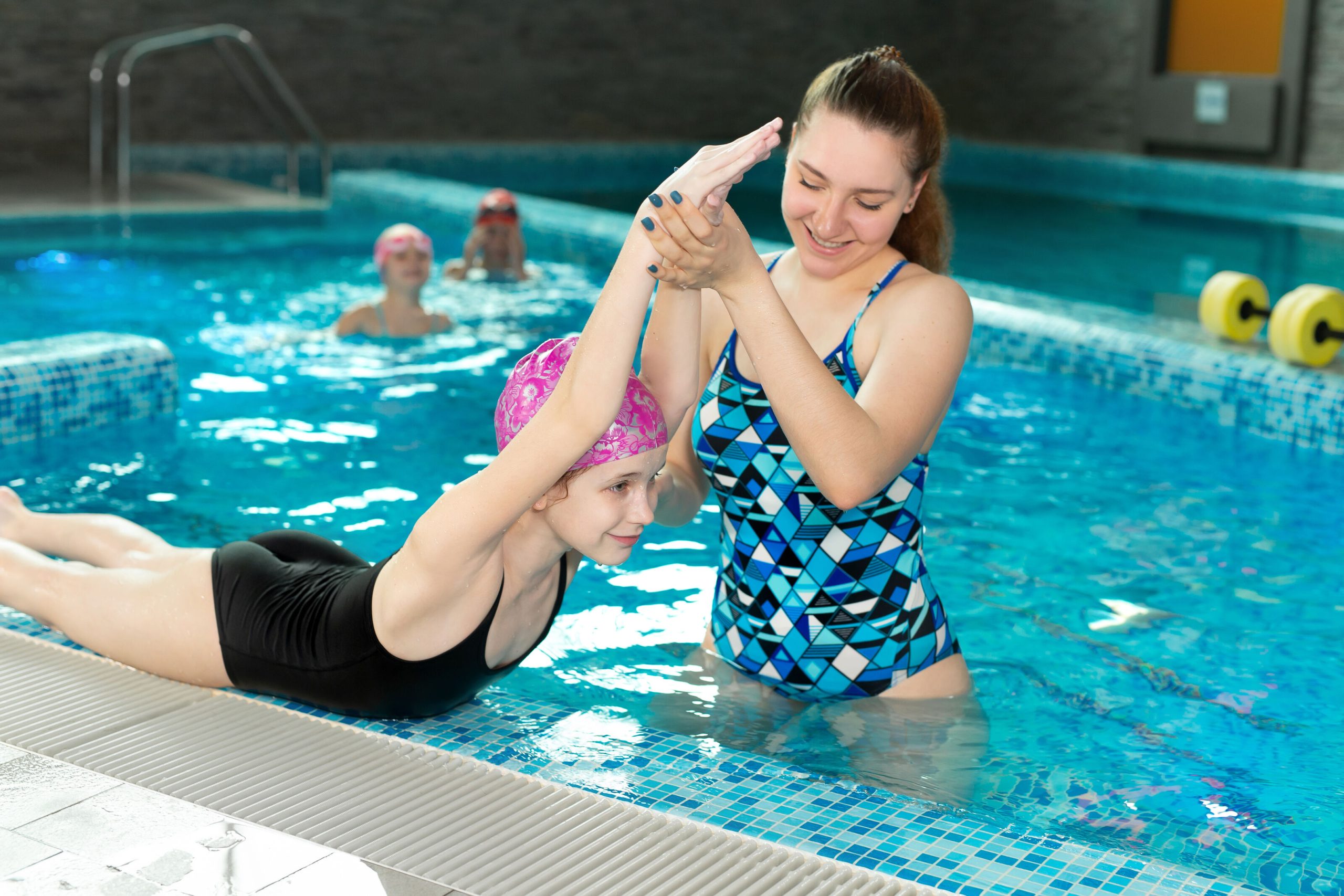
To understand what is aqua therapy, it is a treatment method performed in water that helps improve physical movement, reduce pain, and support relaxation. Also known as hydrotherapy or aquatic therapy, it uses the natural resistance and buoyancy of water to make movement easier and less stressful on joints and muscles.
The warm water environment promotes circulation, reduces stiffness, and supports gentle exercise without excessive strain. This makes aqua therapy suitable for people of different ages and fitness levels.
Why Aqua Therapy Is Becoming a Popular Recovery Choice
Many individuals wonder, what is aqua therapy good for. The answer lies in its versatility. Aqua therapy supports both physical rehabilitation and mental relaxation.
It is commonly beneficial for:
- Muscle recovery
- Joint pain relief
- Stress reduction
- Improving balance and flexibility
- Post-surgery rehabilitation
- Mobility enhancement
- Chronic pain management
Because water reduces body weight pressure, exercises become safer and more comfortable for individuals experiencing pain or limited movement.
What Makes Aqua Therapy So Effective for Healing?
Understanding what aqua therapy is used for helps highlight its therapeutic value. It is often recommended by physiotherapists, fitness experts, and rehabilitation specialists for various conditions.
Common Uses Include:
- Sports injury recovery
- Arthritis management
- Neurological rehabilitation
- Post-operative recovery
- Muscle strengthening
- Improving cardiovascular fitness
The supportive nature of water allows individuals to perform movements they may struggle with on land, improving confidence and physical function.
Relax, Recover, Repeat: Stress Relief Through Water Therapy
Water therapy creates a calming environment that helps the body and mind relax naturally. The soothing effect of warm water, combined with gentle movement, reduces muscle tension, eases mental stress, and promotes emotional balance, making aqua therapy an effective way to support overall wellness and recovery.
1. Promotes Relaxation
Warm water naturally relaxes muscles and calms the nervous system. The soothing environment reduces tension in the body and creates a sense of mental calmness. Gentle water movements combined with rhythmic breathing can significantly reduce daily stress and anxiety.
2. Releases Endorphins
Physical activity performed in water stimulates the release of endorphins, which are natural mood-enhancing chemicals. These hormones help improve emotional well-being and create feelings of positivity and relaxation.
3. Improves Sleep Quality
Stress often affects sleep patterns. Aqua therapy promotes better relaxation and muscle recovery, helping individuals sleep more comfortably and deeply. Improved sleep further supports emotional balance and overall recovery.
4. Encourages Mind-Body Connection
The slow and controlled movements used during aqua therapy encourage mindfulness and body awareness. This helps individuals focus on movement, breathing, and relaxation, creating a meditative and calming effect.
Aqua Therapy for Back Pain
One of the most effective uses of hydrotherapy is aqua therapy for back pain. Back pain often worsens with high-impact movements, but water reduces pressure on the spine and joints.
Benefits for Back Pain Include:
- Reduced spinal compression
- Improved flexibility
- Muscle strengthening
- Better posture support
- Reduced stiffness and inflammation
Water buoyancy supports body weight, allowing individuals to move comfortably without excessive stress on the lower back.
Aqua Therapy Exercises for Knee Pain
Many rehabilitation programs include aqua therapy exercises for knee pain because water minimizes joint impact while improving strength and mobility.
Common Exercises Include:
- Water Walking: Walking in waist-deep water improves knee movement and strengthens surrounding muscles while reducing strain.
- Leg Lifts: Gentle leg lifts in water help build muscle support around the knee joint.
- Knee Bends: Controlled knee bends improve flexibility and reduce stiffness.
- Flutter Kicks: These movements strengthen leg muscles while improving circulation and mobility.
The resistance provided by water enhances exercise effectiveness without causing excessive discomfort.
Physical Benefits of Aqua Therapy
Improves Flexibility: Warm water relaxes tight muscles and improves range of motion, helping individuals move more freely and comfortably.
- Enhances Muscle Strength: Water resistance naturally strengthens muscles during movement. Even simple exercises become effective strength-building activities in water.
- Supports Weight Management: Aqua exercises burn calories while being gentle on joints, making them suitable for individuals seeking low-impact fitness options.
- Improves Balance and Coordination: The supportive environment of water helps individuals practice balance safely, especially older adults or people recovering from injuries.
- Boosts Circulation: Warm water stimulates blood flow, improving oxygen delivery to muscles and supporting faster recovery.
Mental and Emotional Benefits
Beyond physical recovery, aqua therapy also supports emotional well-being and mental relaxation. The calming nature of water, combined with gentle exercise, helps reduce anxiety, improve mood, boost confidence, and create a sense of calmness that positively impacts overall mental health and daily stress management.
- Reduced Anxiety: The calming nature of water creates a peaceful environment that helps reduce anxious thoughts and emotional tension.
- Increased Confidence: People recovering from injuries often feel more confident moving in water because of the support and reduced risk of falls.
- Better Mood: Exercise combined with relaxation helps improve mood and emotional well-being naturally.
Who Should Try Aqua Therapy?
Aqua therapy is suitable for a wide range of individuals, including:
- Seniors
- Athletes
- People recovering from surgery
- Individuals with arthritis
- Those experiencing chronic pain
- People managing stress or anxiety
Because exercises can be modified easily, aqua therapy adapts to different fitness and mobility levels.
Beginner Friendly Tips for Starting Aqua Therapy
Beginning aqua therapy with the right approach can improve comfort, safety, and overall results. Starting slowly, following professional guidance, and choosing suitable exercises help individuals gain maximum physical and mental wellness benefits while building confidence in water-based therapy sessions.
- Consult a Professional: Before beginning, seek advice from a healthcare or rehabilitation professional to determine suitable exercises.
- Start Slowly: Begin with gentle movements and gradually increase intensity as comfort improves.
- Stay Hydrated: Even in water, the body loses fluids during exercise, so hydration remains important.
- Use Proper Equipment: Pool noodles, flotation devices, and water dumbbells can enhance support and exercise effectiveness.
Common Misconceptions About Aqua Therapy
Many people misunderstand aqua therapy and assume it is only for seniors or injury recovery. In reality, it benefits individuals of different ages, fitness levels, and wellness goals. Some of the misconceptions are:
- It Is Only for Seniors: While older adults benefit greatly, athletes and younger individuals also use aqua therapy for recovery and fitness.
- It Is Not a Real Workout: Water resistance can make exercises highly effective for strength, endurance, and flexibility training.
- Swimming Skills Are Necessary: Most aqua therapy sessions take place in shallow water, and swimming expertise is usually not required.
Also Read: Does Swimming Help You Lose Weight?
The Growing Popularity of Aqua Therapy
As more people seek low-impact wellness solutions, aqua therapy continues to gain popularity worldwide. Fitness centers, rehabilitation clinics, and wellness facilities increasingly include aquatic programs because of their effectiveness and accessibility.
The combination of physical recovery and mental relaxation makes aqua therapy appealing for modern lifestyles where stress and body fatigue are common concerns.
Conclusion
Understanding what is aqua therapy reveals why it has become a valuable solution for stress relief, recovery, and overall wellness. From easing muscle tension to improving mobility, the benefits extend beyond physical rehabilitation. Whether exploring aqua therapy for back pain or practicing aqua therapy exercises for knee pain, water-based therapy provides a safe and supportive environment for healing. Many people now recognize what is aqua therapy good for because of its ability to reduce joint strain while improving strength and flexibility.
Additionally, knowing what is aqua therapy used for highlights its role in mental relaxation, injury recovery, and fitness improvement. With its calming effects and therapeutic advantages, aqua therapy offers a refreshing and effective path toward better health and long-term well-being.