
Overview Summary
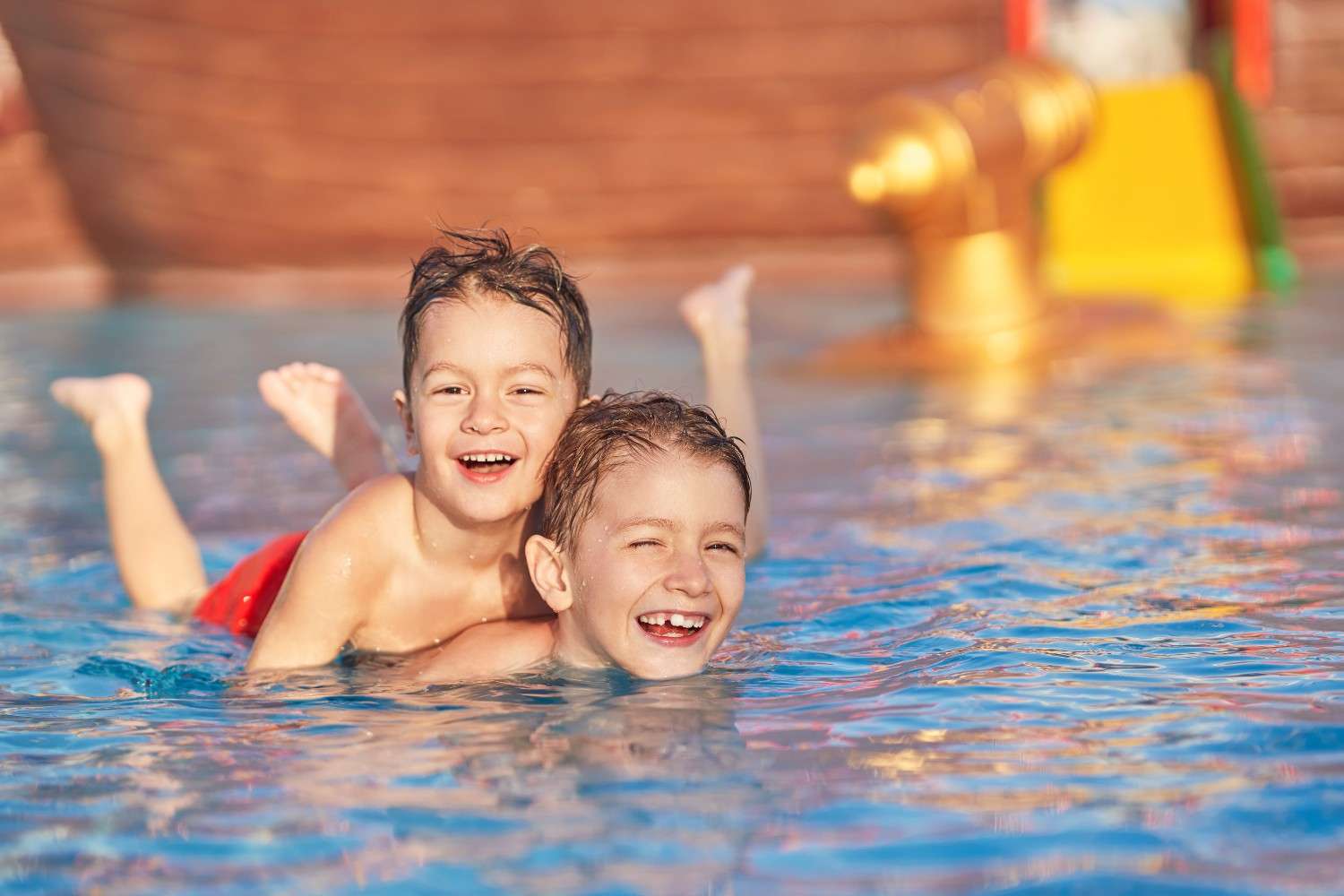
The benefits of swimming for children extend beyond physical exercise. Swimming uses multiple muscle groups, encourages cardiovascular activity and requires children to coordinate their arms, legs, breathing and body position. Regular participation can also provide opportunities to build confidence, develop discipline and interact with other children.
The 10 benefits of swimming discussed in this guide include improved physical fitness, better coordination, increased endurance, confidence building, flexibility, concentration, social development, stress management, healthy routines and water-safety awareness.
While the benefits of swimming every day may sound appealing, children do not necessarily need to swim every day to enjoy these advantages. The appropriate frequency and intensity depend on the child’s age, ability, interests and overall activity level.
Key Takeaways
- Swimming can support children’s overall physical fitness.
- It exercises multiple muscle groups while placing relatively low impact on joints.
- Regular swimming can help develop coordination and body awareness.
- Swimming can improve endurance when practised consistently.
- Learning new swimming skills can strengthen confidence and independence.
- Swimming lessons can encourage discipline and concentration.
- Group swimming can provide opportunities for social interaction.
- Swimming can be an enjoyable way for children to stay active.
- Water-safety education is an important part of learning to swim.
- The benefits of swimming everyday should be considered alongside adequate rest and other age-appropriate activities.
Introduction
Swimming is more than a recreational activity for children. It combines physical movement, coordination, concentration and confidence while giving children an opportunity to develop an important practical life skill. Whether a child swims recreationally, participates in lessons or eventually competes, regular swimming can become a valuable part of an active lifestyle.
For parents considering an activity that supports children’s overall development, understanding the benefits of swimming for kids can help explain why swimming is such a popular choice. From physical fitness and coordination to confidence and social interaction, swimming can offer several advantages when practised safely and appropriately.
10 Benefits of Swimming for Children
1. Supports Overall Physical Fitness
One of the major benefits of swimming is that it provides a full-body form of physical activity. Swimming involves coordinated movements of the arms, legs, torso and core. Regular participation can help children develop physical fitness while making exercise enjoyable.
Depending on the swimming activity, children can work on:
- Muscular endurance
- Cardiovascular fitness
- Coordination
- Balance
- Mobility
- General stamina
Because children often enjoy being in the water, swimming can make regular physical activity feel more like recreation than exercise.
2. Helps Build Cardiovascular Endurance
Swimming requires continuous movement and controlled breathing, making it an activity that can challenge the cardiovascular system. As children become more comfortable in the water, they can gradually swim for longer periods or practise different strokes.
Improving endurance can make it easier for children to participate in other physical activities, such as running, cycling, playing sports or outdoor games. Parents should remember that younger children have different physical capabilities, so swimming duration should be appropriate for their age and skill level.
3. Develops Coordination and Motor Skills
Swimming requires several body movements to occur together.
A child learning a stroke may need to coordinate:
- Arm movements
- Leg kicks
- Breathing
- Head position
- Body alignment
- Timing
This makes swimming a useful activity for developing coordination and body awareness.
As children practise different skills, they gradually become more familiar with how their bodies move through water. These movement experiences can complement other physical activities. For parents exploring the benefits of swimming for children, improved coordination is an important advantage because swimming combines multiple movements rather than relying on a single physical action.
4. Strengthens Muscles
Water provides resistance against movement, meaning children have to work their muscles while swimming. Different strokes involve different muscle groups, including the arms, shoulders, legs, back and core.
Regular practice can contribute to muscular endurance and physical strength. Swimming can also be useful for children who enjoy variety in their physical activities. Rather than repeating the same movement on land, they can experience resistance and movement in a different environment.
However, swimming should complement, not replace, other age-appropriate forms of physical activity.
5. Improves Flexibility and Body Movement
Swimming involves repeated movements that require children to move their arms and legs through different ranges of motion. Practising strokes can help children become more comfortable with coordinated body movements.
Flexibility itself depends on many factors, including age, genetics, activity and training. Swimming should therefore not be considered a guaranteed way to dramatically increase flexibility. Nevertheless, regular swimming provides children with opportunities to practise controlled and varied movements while developing greater awareness of their bodies.
6. Builds Confidence and Independence
Learning to swim can be a significant confidence-building experience for children.
At first, a child may feel uncomfortable putting their face in the water, floating independently or moving away from the pool wall. With patient instruction and gradual practice, these challenges can become manageable. Successfully learning a new skill can create a sense of achievement.
Children may gradually become more comfortable with:
- Floating
- Kicking
- Breathing techniques
- Different strokes
- Entering and exiting the pool
- Swimming independently at an appropriate level
These achievements can encourage children to approach other new activities with greater confidence.
7. Encourages Concentration and Discipline
Swimming lessons often require children to listen carefully and follow instructions.
They may need to remember:
- Stroke techniques
- Breathing patterns
- Pool rules
- Starting and stopping signals
- Safety instructions
- Practice routines
Regular lessons can therefore encourage children to focus on specific tasks and practise skills repeatedly. For children involved in competitive swimming, training may also introduce concepts such as goal setting, consistency and perseverance.
These habits can be useful beyond the pool as children learn that improvement often comes through regular practice.
8. Supports Social Development
Swimming does not always have to be an individual activity. Children can learn in groups, participate in swimming classes or practise alongside friends and siblings.
Group sessions provide opportunities to:
- Communicate with others
- Follow group instructions
- Take turns
- Encourage peers
- Participate in activities together
- Develop friendships
Competitive swimming can introduce additional experiences, including teamwork and learning how to respond positively to both success and setbacks.
These social experiences are another reason swimming can be valuable for children’s overall development.
9. Provides a Fun Way to Stay Active
One of the most practical benefits of swimming is that children may find it enjoyable. An activity that children genuinely like is more likely to become a regular part of their routine.
Swimming can include different forms of participation, from structured lessons and lap swimming to recreational games and family pool time. Keeping the experience enjoyable can help children develop a positive attitude towards physical activity rather than viewing exercise as a chore.
Parents can also introduce variety by allowing children to explore different strokes and age-appropriate water activities.
10. Develops Water-Safety Awareness
Perhaps one of the most important benefits of swimming for kids is the opportunity to develop water-related skills and awareness. Swimming lessons can teach children how to move in water, respond to instructions and understand basic pool safety.
However, learning to swim does not make a child completely safe around water.
Children should always be supervised appropriately around swimming pools, open water and other aquatic environments. Parents should also teach children to follow pool rules and understand that water safety involves much more than swimming ability.
Swimming education and active adult supervision should work together.
How Can Parents Make Swimming More Enjoyable?
Parents can support children’s swimming experience by keeping expectations realistic and positive.
- Choose Age-Appropriate Lessons: Instruction should match the child’s age and current swimming ability. Children generally learn better when activities are challenging without being overwhelming.
- Celebrate Progress: Learning to float, improving a stroke or becoming more comfortable in the water can all represent meaningful progress.
- Avoid Excessive Pressure: Not every child wants to become a competitive swimmer. Recreational swimming can still provide substantial physical and developmental benefits.
- Encourage Water Safety: Children should understand pool rules and know why they need to follow instructions from parents, instructors and lifeguards.
- Provide Variety: Combining swimming with cycling, walking, running, outdoor play and other sports can create a more balanced activity routine.
Swimming Safety Tips for Children
The benefits of swimming for children can only be enjoyed safely when appropriate precautions are followed.
Parents should:
- Supervise children closely around water.
- Use designated swimming areas whenever possible.
- Follow pool rules.
- Ensure children receive appropriate swimming instruction.
- Teach children not to run around wet pool areas.
- Encourage children to follow lifeguard instructions.
- Avoid relying solely on flotation devices.
- Ensure children understand basic water-safety practices.
Children who are still learning should remain within an appropriate supervised environment.
Swimming as Part of an Active Lifestyle
Swimming can be an excellent addition to a child’s overall activity routine, but it does not need to be the only activity.
A balanced routine could include swimming along with:
- Cycling
- Walking
- Running
- Football
- Basketball
- Outdoor games
- Dancing
- Recreational play
Different activities challenge the body in different ways and help children discover what they enjoy.
The goal should be to help children develop positive lifelong attitudes towards movement and physical activity.
Enjoy Swimming and Recreation at Boomerung Complex, Noida
Families looking for opportunities to combine recreation, leisure and quality time can explore Boomerung Complex, Noida, located in Jaypee Greens Wish Town, Sector 128. The complex brings together hospitality, dining, leisure and recreational experiences in one destination.
For families interested in swimming and other active experiences, a well-planned recreational environment can make physical activity more enjoyable for children. Parents can use such outings as opportunities to encourage children to stay active while also spending quality time together.
When visiting any swimming facility, parents should always check the available facilities, supervision arrangements, operating guidelines and child-safety requirements before allowing children to participate.
Also Read: How to Breathe While Swimming Freestyle: A Simple Guide to Better Technique
Conclusion
The benefits of swimming for children extend well beyond physical exercise. Swimming can help children develop endurance, coordination, muscular fitness, confidence, concentration and social skills while giving them an enjoyable way to stay active.
The 10 benefits of swimming discussed here demonstrate why swimming can be a valuable part of childhood activity. It can also introduce children to important water-safety concepts and provide opportunities to develop discipline through regular practice.
Although the benefits of swimming every day can include frequent opportunities to practise skills and remain active, daily swimming is not essential for every child. A balanced routine that includes different activities and adequate rest is generally more practical.
For parents, the priority should be to create a safe, positive and age-appropriate swimming experience. With proper supervision and suitable instruction, swimming can become an enjoyable activity that supports children’s development while helping them build skills they can carry into later life.