
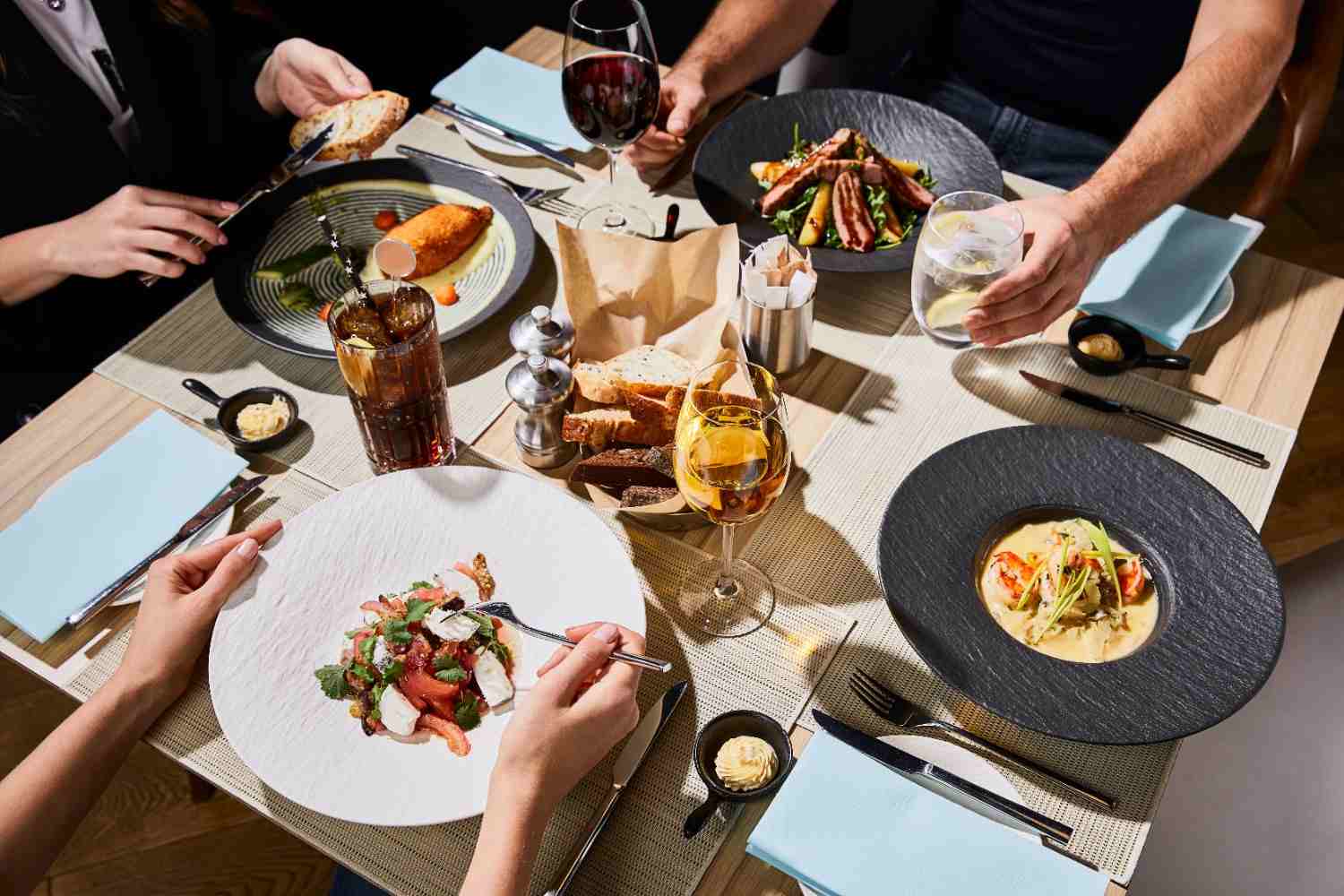
Overview Summary
Fine dining and casual dining differ mainly in their level of formality, service, ambience, menu style and overall dining experience. Fine dining generally focuses on refined surroundings, attentive service, carefully prepared dishes and detailed presentation. Casual dining, in contrast, offers a more relaxed atmosphere, approachable menus, comfortable settings and generally more flexible service.
The difference is not simply about food quality or price. Both formats can offer excellent cuisine. Instead, they are designed to meet different expectations and occasions. Knowing what is fine dining and casual dining can help diners choose an experience that matches their preferences, budget and purpose.
Key Takeaways
- Fine dining vs casual dining mainly differs in ambience, service, menu, presentation, pricing and formality.
- What is fine dining? It is an elevated restaurant experience that combines sophisticated food, attentive service and refined surroundings.
- What is casual dining? It is a relaxed restaurant experience focused on comfort, accessibility and approachable food.
- Fine dining often features curated menus, premium ingredients and detailed presentation.
- Casual dining generally provides broader menus, relaxed service and flexible dining environments.
- Fine dining may be better suited to celebrations and formal occasions.
- Casual dining can be ideal for family meals, social gatherings and everyday outings.
- The choice between casual vs fine dining ultimately depends on the occasion, budget and preferred experience.
- Both formats can provide memorable dining experiences when food and hospitality are well executed.
Introduction
Dining out is no longer limited to simply choosing what to eat. Restaurant dining has become an important part of social and cultural life. People visit restaurants not only to enjoy food but also to celebrate occasions, meet friends, conduct business and spend quality time with family. As restaurants cater to different needs, various dining styles have developed, with fine dining and casual dining being two widely recognised formats.
While both aim to provide enjoyable meals, their approach can be quite different. Fine dining generally creates a sophisticated and structured experience, whereas casual dining prioritises comfort and informality.
Understanding fine dining vs casual dining can help you select the right setting for different occasions, whether you are planning a celebration, business dinner, family meal or relaxed outing.
What Is Fine Dining?
The restaurant’s atmosphere, service, presentation, menu and overall experience can significantly influence how enjoyable a meal feels. Thus, fine dining refers to a restaurant experience where considerable attention is given to food quality, presentation, service, ambience and detail.
Fine-dining restaurants often create a carefully planned atmosphere where different elements work together to provide an elevated experience. The menu may feature specialised dishes, premium ingredients or creative culinary techniques.
Common features include:
- Attentive and knowledgeable service
- Sophisticated ambience
- Carefully curated menus
- Detailed food presentation
- Premium or seasonal ingredients
- Formal or refined table settings
- Multiple-course meals
- Carefully selected beverages
The objective is generally to provide more than a meal. The service, surroundings and presentation become part of the overall experience.
Know About Casual Dining?
Casual dining refers to a restaurant format that provides a comfortable and relatively informal eating environment.
Casual dining in restaurants is generally designed for customers who want good food without the formality associated with fine dining. They may cater to individuals, families, groups of friends and colleagues.
Typical characteristics include:
- Relaxed atmosphere
- Comfortable seating
- Approachable menus
- Friendly service
- Moderate pricing
- Flexible dress expectations
- A variety of food choices
- Informal dining environments
Casual dining can range from neighbourhood restaurants and family eateries to contemporary restaurants offering modern cuisines.
Fine Dining vs Casual Dining: Key Differences
The easiest way to understand fine dining vs casual dining is to compare the different elements that shape the customer experience.
| Feature | Fine Dining | Casual Dining |
| Atmosphere | Sophisticated and refined | Relaxed and comfortable |
| Service | Formal and attentive | Friendly and informal |
| Menu | Curated and specialised | Broad and approachable |
| Presentation | Detailed and artistic | Simple to attractive |
| Pricing | Generally higher | Usually moderate |
| Dress code | May have specific expectations | Usually flexible |
| Dining pace | Structured and leisurely | More flexible |
| Occasion | Special and formal events | Everyday and social occasions |
1. Ambience and Atmosphere
One of the clearest differences in fine dining vs casual dining is the ambience.
Fine-dining restaurants often pay close attention to lighting, furniture, table settings, décor, music and overall atmosphere. The environment may be quieter and more sophisticated, allowing diners to focus on the meal and conversation.
Casual dining restaurants usually create a more relaxed and energetic environment. Comfortable seating, informal décor and lively conversations are common.
The choice ultimately depends on the type of atmosphere you prefer.
2. Service Style
Service is another important difference between casual vs fine dining.
Fine-dining service tends to be highly attentive and structured. Staff may explain dishes, answer questions about ingredients and recommend beverages or courses. Food may also be served according to a specific sequence.
Casual dining generally offers friendly and efficient service without the same level of formality. Customers can usually enjoy their meals without following detailed dining conventions.
3. Menu and Food Choices
Fine-dining menus are often carefully curated. Instead of offering a very large selection, restaurants may focus on a smaller number of dishes prepared with specialised ingredients and techniques.
Casual dining establishments often provide broader menus designed to accommodate different tastes. Guests may find familiar appetisers, main courses, sides, desserts and beverages.
This is one reason fine dining vs casual dining is not simply a comparison of expensive and inexpensive food. The two formats have different approaches to menu design.
4. Food Presentation
Presentation is particularly important among the characteristics of fine dining.
Fine-dining chefs may carefully consider the colour, arrangement, portioning, textures and garnishes of each dish. Plates may be designed to create a visually appealing experience before the first bite.
Casual restaurants can also present food attractively, but the emphasis is usually on practicality, generous portions and accessibility rather than elaborate plating.
5. Pricing
Price is another noticeable distinction.
Fine dining generally has higher prices because the overall cost can include premium ingredients, specialised preparation, highly trained staff, sophisticated interiors and detailed service.
Casual dining typically offers more moderate prices, making it suitable for more frequent visits.
However, price alone does not determine whether a restaurant is fine dining or casual dining. Restaurants can occupy different positions within the wider dining market.
6. Dress Code and Etiquette
Fine-dining establishments may have dress expectations, although these vary from restaurant to restaurant. Some encourage smart or formal attire, while others have adopted more relaxed approaches.
Casual restaurants generally have few or no specific dress requirements.
Dining etiquette may also be more structured in fine dining, particularly when several courses, specialised cutlery or formal service procedures are involved.
7. Dining Pace
The pace of dining can also differ.
Fine dining is often designed as a leisurely experience. Multiple courses may be served separately, allowing diners to enjoy each dish and spend more time at the table.
Casual dining generally offers greater flexibility. Guests may enjoy a meal relatively quickly or stay longer for conversation. This makes casual dining particularly convenient for everyday meals and informal gatherings.
What Is the Difference Between Fine Dining and Casual Dining?
The primary distinction lies in the level of formality and the type of experience offered. Fine dining typically combines refined surroundings, attentive service, curated menus, detailed presentation and a structured dining experience. Casual dining focuses on comfort, flexibility, approachable food and a relaxed environment.
However, these categories are not rigid. Modern restaurants can combine elements of both styles, creating dining experiences that are sophisticated while remaining informal and accessible.
When Should You Choose Fine Dining?
Fine dining can be an excellent option when the restaurant experience is an important part of the occasion.
It may be suitable for:
- Anniversaries
- Birthdays
- Romantic dinners
- Business dinners
- Engagement celebrations
- Formal gatherings
- Special milestones
- Important family celebrations
If you want a meal that feels memorable and carefully structured, fine dining can provide the appropriate environment.
When Should You Choose Casual Dining?
Casual dining is often ideal when comfort and flexibility are priorities.
It can work well for:
- Family meals
- Weekend outings
- Lunch with colleagues
- Friends’ gatherings
- Informal dates
- Group meals
- Everyday dining
The relaxed environment makes it easier for diners to focus on conversation and socialising while enjoying their food.
Fine Dining vs Casual Dining: Which Is Better?
There is no single answer to which is better. The choice depends on your expectations and the occasion.
Choose fine dining when you value:
- Sophisticated ambience
- Attentive service
- Curated menus
- Detailed presentation
- A leisurely experience
Choose casual dining when you prefer:
- Comfortable surroundings
- Flexible service
- Familiar food choices
- Moderate pricing
- A relaxed atmosphere
Therefore, casual vs fine dining is better viewed as a choice between two different experiences rather than a competition.
Exploring Dining Experiences at Boomerung Complex
For people looking to enjoy food and leisure experiences in a convenient setting, Boomerung Complex offers an environment where diners can explore different food and hospitality experiences.
Whether someone prefers the refined character associated with fine dining or the relaxed atmosphere of casual dining, understanding the differences can make it easier to choose an experience that suits the occasion. The right choice can depend on everything from the purpose of the visit and budget to preferred food, atmosphere and level of service.
You can check our restaurants and enjoy the dining experience they offer.
Also Read: Arabica vs Robusta Coffee: What’s the Difference & Which One Should You Choose?
Conclusion
Understanding fine dining vs casual dining makes it easier to select a restaurant that matches your needs.
Fine dining is generally associated with sophisticated ambience, attentive service, carefully curated menus, premium ingredients and detailed presentation. Casual dining, meanwhile, focuses on comfort, flexibility, approachable menus and a relaxed atmosphere.
Neither option is universally better. A formal celebration may call for the elegance of fine dining, while a family outing or casual get-together may be better suited to a relaxed restaurant.
Ultimately, the best dining experience is one that matches the occasion, expectations and preferences of the people at the table. Whether you choose fine dining or casual dining, good food, welcoming hospitality and a comfortable experience are what make a restaurant visit truly memorable.