
Overview Summary
Skipping a proper breakfast or eating one that’s low in protein is one of the most common reasons people struggle with hunger, low energy, and overeating later in the day. This blog covers ten practical, well-researched high-protein breakfast ideas suited to Indian eating habits and everyday schedules, from classic options like moong dal chilla and paneer bhurji to modern additions like quinoa upma and cottage cheese toast. Each idea is chosen for its protein content, ease of preparation, and ability to keep you genuinely full until lunch. Whether your goal is weight loss, fat loss, or simply better mornings, there’s something here worth trying.
Introduction
Let’s be honest here: most of us have experienced that 11 AM hunger crash where breakfast feels like a distant memory and lunch is still an hour away. The fix is simpler than most people realise: eat more protein in the morning.
A high-protein breakfast does more than keep hunger at bay. It stabilises blood sugar, supports muscle maintenance, improves focus, and, for anyone working toward a weight goal, makes it significantly easier to eat less throughout the rest of the day without feeling deprived. Research consistently shows that people who start their day with adequate protein consume fewer calories overall and report feeling more satisfied between meals.
The good news is that a high protein diet breakfast doesn’t have to mean plain eggs or protein shakes every morning. Whether you eat meat, follow a vegetarian diet, or need something ready in under ten minutes, there are genuinely delicious options that deliver. Here are ten ideas worth adding to your regular rotation.
1. Moong Dal Chilla With Paneer Stuffing: A Classic High-Protein Breakfast Indian Households Swear By
Moong dal chilla is one of the most underrated high-protein breakfast Indian options available. Made from ground green moong dal batter, each chilla is naturally high in plant-based protein. Stuff it with crumbled paneer, chopped onions, and green chillies, and you have a breakfast that delivers roughly 20–25 grams of protein per serving, depending on portion size.
It’s quick to prepare once the dal is soaked, works well with mint chutney on the side, and keeps you genuinely full through a busy morning. For anyone following a high-protein vegetarian breakfast routine, this is one of the most reliable options in the Indian kitchen.
2. Greek Yoghurt Parfait With Nuts and Seeds: Simple, No-Cook, and Surprisingly Filling
Greek yoghurt contains nearly double the protein of regular yoghurt, making it one of the easiest, quickest high-protein breakfast bases available. Layer it with a handful of mixed nuts, pumpkin seeds, and a drizzle of honey for a breakfast that comes together in under three minutes and delivers 15–20 grams of protein without any cooking.
The combination of protein from the yoghurt and healthy fats from the nuts creates a sustained energy release that holds hunger off effectively. If you’re looking for easy, high-protein breakfast recipes that require zero effort on busy mornings, this belongs at the top of your list.
3. Eggs in Any Form: But Make Them Count: The Most Versatile High-Protein Breakfast Ingredient There Is
Eggs remain one of the most complete protein sources available, with each egg delivering around 6 grams of high-quality protein. Three eggs in any form, scrambled, boiled, poached, or as an omelette loaded with vegetables, give you a solid 18–20 gram protein base to build from.
For a high-protein breakfast for weight loss, a vegetable-packed egg omelette with spinach, mushrooms, and bell peppers keeps calories moderate while maximising satiety. Add a slice of whole-grain toast, and you have a balanced breakfast that holds up well through a demanding morning.
4. Paneer Bhurji With Whole Wheat Roti: A High-Protein Indian Breakfast That Feels Like a Proper Meal
Paneer bhurji, which is scrambled cottage cheese cooked with onions, tomatoes, and spices, is one of the most satisfying high-protein breakfast ideas in Indian cooking. A 100-gram serving of paneer provides approximately 18 grams of protein, and paired with a whole wheat roti, this breakfast delivers both protein and complex carbohydrates for sustained energy.
It’s warm, flavourful, and genuinely feels like eating a real meal rather than a calculated nutrition decision, which matters for long-term consistency. This is a particularly strong option for anyone following a high-protein vegetarian breakfast plan who finds lighter breakfasts unsatisfying.
5. Sprouted Legume Salad: A Lightweight But Protein-Dense Morning Option
Sprouted moong, chickpeas, or mixed legumes tossed with chopped vegetables, lemon juice, and a pinch of chaat masala make for a refreshing and genuinely protein-rich breakfast. Sprouting increases the bioavailability of protein and makes legumes easier to digest, a useful advantage first thing in the morning.
This works particularly well as a high-protein breakfast for fat loss because it’s low in calories, high in fibre, and filling enough to prevent mid-morning snacking. It takes about five minutes to assemble if you sprout your legumes the night before, making it a practical everyday option.
6. Cottage Cheese Toast With Seeds: A Modern Take on High-Protein Breakfast Ideas
Thick-cut whole grain toast spread generously with cottage cheese and topped with chia seeds, flaxseeds, and sliced cucumber is a modern, balanced, high-protein diet breakfast that works as well in India as it does anywhere else. Cottage cheese provides around 11 grams of protein per 100 grams, and the seeds add additional protein along with omega-3 fatty acids.
It’s quick, requires no cooking, and is easy to adapt, add avocado, cherry tomatoes, or a sprinkle of chilli flakes depending on what you have. For easy high-protein breakfast recipes that feel fresh rather than repetitive, this is a reliable everyday option.
7. Besan Omelette: A Vegetarian Egg Alternative That Delivers Real Protein
Chickpea flour omelette, made from besan batter with turmeric, chopped onions, green chillies, and coriander, is one of the most protein-rich high-protein breakfast Indian alternatives to eggs. A two-pan serving delivers around 14–16 grams of plant-based protein and cooks in under ten minutes.
It’s a particularly strong choice for vegetarians who find paneer and dal options repetitive, and it works well with yogurt or green chutney on the side. If you’re building a high protein vegetarian breakfast rotation and want variety, besan omelette earns a regular spot.
8. Quinoa Upma: A High-Protein Twist on a Familiar Indian Breakfast
Traditional upma made with semolina is comforting but relatively low in protein. Swap the semolina for quinoa, and the picture changes significantly. Quinoa is one of the few plant foods that contains all nine essential amino acids, making it a complete protein source with around 8 grams per cooked cup.
Prepared with mustard seeds, curry leaves, vegetables, and a squeeze of lemon, quinoa upma tastes familiar while delivering better nutrition meaningfully. For anyone working on a high-protein breakfast for weight loss without wanting to abandon the flavours they grew up with, this is a genuinely satisfying option.
9. Peanut Butter Banana Smoothie: A Quick High-Protein Breakfast for Busy Mornings
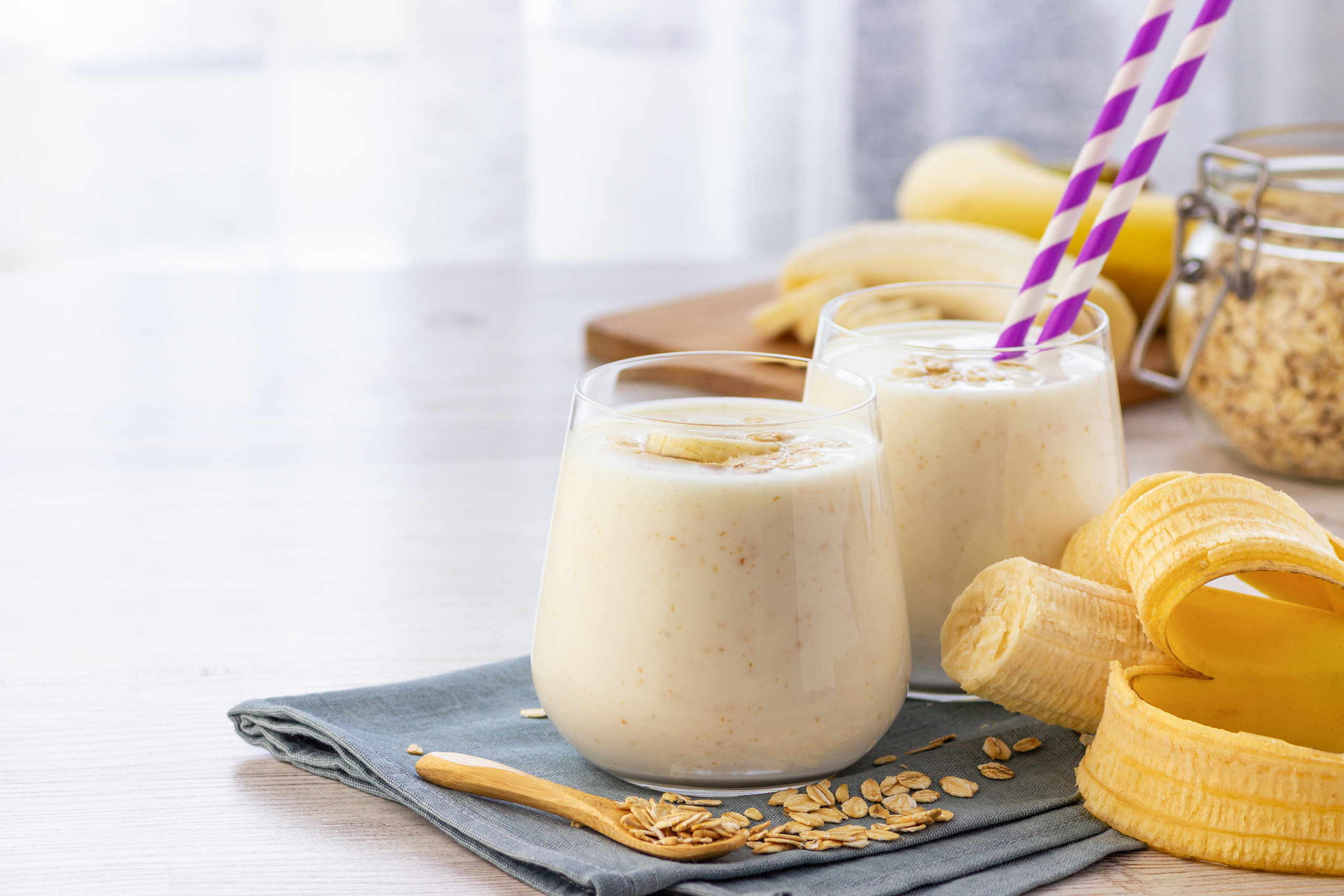
When time is short and sitting down for breakfast isn’t realistic, a peanut butter banana smoothie is one of the best quick high-protein breakfast options available. Two tablespoons of natural peanut butter deliver around 8 grams of protein, and combined with a banana, a cup of milk or unsweetened soy milk, and a scoop of plain yoghurt, the total protein count reaches 18–22 grams.
Blend it in two minutes, drink it on the way out, and you’ve covered your morning protein needs without compromising your schedule. It’s one of those high-protein breakfast ideas that sounds too simple to work, until you try it consistently and notice the difference.
10. Rajma or Chickpea Breakfast Bowl: A Hearty High-Protein Breakfast for Fat Loss and Satiety
Leftover rajma or chickpeas from the previous night’s dinner make for an excellent, protein-dense breakfast bowl when reheated with a few fresh additions. A 100-gram serving of cooked chickpeas provides around 9 grams of protein and substantial dietary fibre, a combination that suppresses appetite effectively and supports digestive health.
Top with diced onions, tomatoes, a squeeze of lemon, and fresh coriander for a breakfast that’s warm, flavourful, and filling. As a high-protein breakfast for fat loss, legume-based breakfast bowls are among the most evidence-backed options available, with high satiety, moderate calories, and genuinely nutritious.
Also Read: Arabica vs Robusta Coffee
Final Thoughts
Building a high-protein breakfast habit doesn’t require overhauling your entire diet or spending hours in the kitchen. Start with one or two of these ideas, rotate them through your week, and pay attention to how differently you feel by midmorning. The hunger crashes, the distracted focus, the reaching for snacks at 11 AM, most of that goes away when breakfast actually does its job.
Protein is what makes breakfast work. Everything else is just details.