
Key Takeaways
- Conference room meaning is a space used for formal meetings in a business setting
- Different types of conference rooms are designed for different team sizes and needs
- Understanding conference room vs meeting room helps you use office space more wisely
- Room layout and design affect communication, comfort, and productivity
- Choosing the right room depends on team size, tools, and business goals
Summary
A meeting room is a significant aspect of a business. Not a place to sit down, but where ideas are exchanged and decisions are made. When you have an idea of what is a conference room, you will be able to select the appropriate type and design. This assists your team to work more effectively and remain focused and communicate effectively during meetings.
A conference room is more than a table and chairs. It is a location where teams gather to discuss, strategize and solve their problems. Here, significant thoughts are discussed, and the most important decisions are made. In case you need to know what is a conference room or what a conference room meaning; this is the right guide to be able to learn simply and clearly without any confusion.
What is a Conference Room? Meaning and Core Purpose
A meeting room is a special area in an office where meetings take place. It is applied in discussions, presenting, and work planning. When you have a clear idea of what is a conference room, you realize that it assists teams to be organized and collaborate in a focused setting.
Conference Room Meaning in Simple Terms
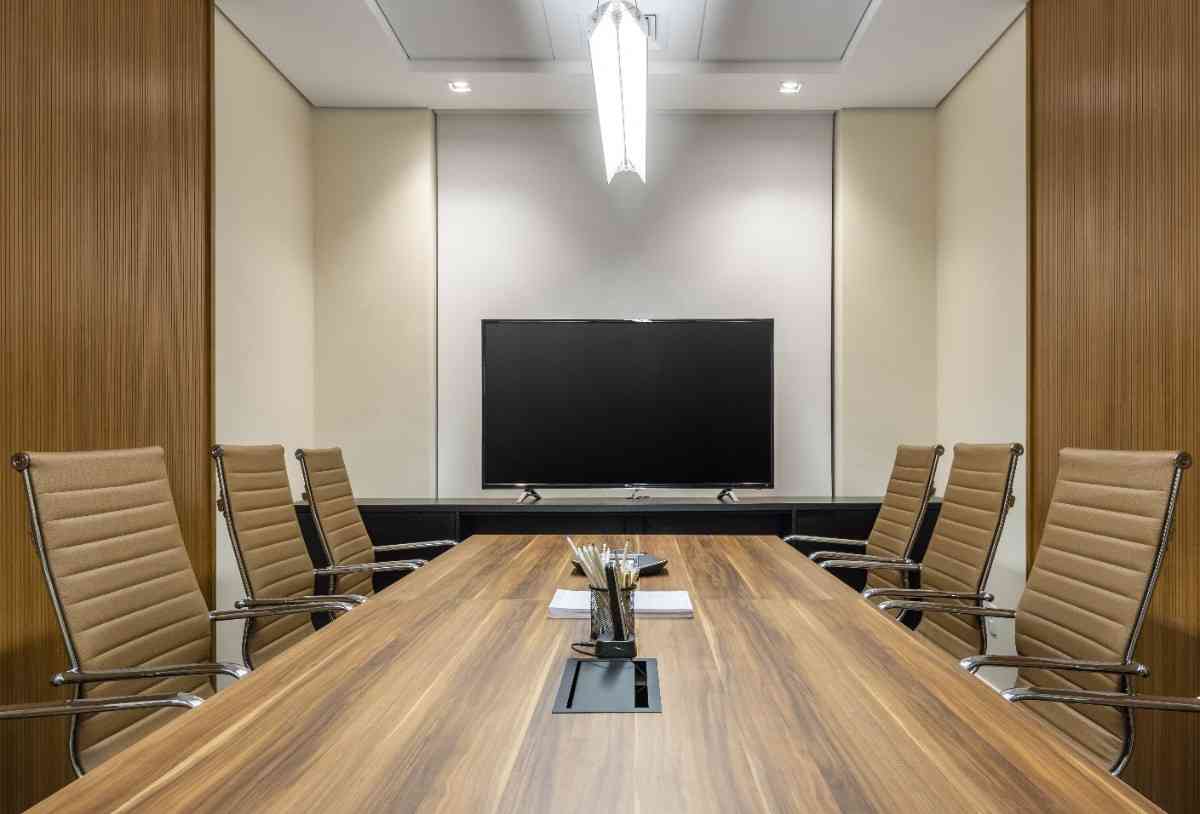
The conference room meaning is easy to understand. It is a meeting space with chairs, a table, and often tools like screens or video systems. Businesses use this space for team meetings, client discussions, and sharing ideas in a professional setting.
Purpose of Conference Room in Business
The purpose of conference room is to improve communication and teamwork across the business. It creates a structured place where people can focus and share ideas.
- Helps teams communicate effectively on ideas and plans.
- Offers an adequate meeting room with clients and partners.
- Sponsors training, presentations, and planning.
- Maintains orderliness and professionalism in communication.
Types of Conference Rooms You Should Know
There are many types of conference rooms, and each one is designed for a different purpose. Choosing the right type helps improve comfort, meeting quality, and team productivity over time.
Small Conference Rooms (Huddle Rooms)
These rooms are small and simple. They are designed for quick discussions and small teams that need to meet often during the day.
- Best for 2–6 people
- Simple setup with basic tools
- Ideal for quick and informal talks
Medium Conference Rooms
The most prevalent rooms are medium office rooms. They are utilized in group meetings, presentations, and frequent discussions, which require increased space and organization.
- Suitable for 6–12 people
- Includes screens or presentation tools
- Good for structured team meetings
Large Conference Rooms (Boardrooms)
Important and formal meetings are held in big conference rooms. They tend to incorporate improved design and technology in presentations and discussions.
- Suitable for 12 or more people
- Equipped with advanced audio and video tools
- Used for major decisions and client meetings
Conference Room vs Meeting Room: Key Differences
Many people confuse conference room vs meeting room, but there are clear differences between them in how they are used and designed.
Conference Room vs Meeting Room Explained
Conference room vs meeting room is a misconception by many people yet there are evident differences between the two regarding the manner in which they are utilized and designed.
| Feature | Conference Room | Meeting Room |
|---|---|---|
| Purpose | Formal meetings and presentations | Informal or quick discussions |
| Size | Medium to large | Small to medium |
| Technology | Advanced tools and systems | Basic setup |
| Usage | Scheduled and planned meetings | Frequent daily use |
Understanding this difference helps you choose the right space for your business needs.
Common Conference Room Layouts and Their Uses
A conference room tends to be more formal and is utilized in a pre-organized meeting. A meeting room is very small and is used when quick and daily discussions are to be held and no formal arrangement is required.
Boardroom Style Layout
The layout consists of a big table in the middle with chairs surrounding it. They all sit around a table and hence this is best suited in formal meetings and decision-making.
U-Shaped Layout
Tables are structured in U shape such that participants have a view of each other and concentrate on the speaker. This arrangement is effective in both training and interactive talks.
Classroom Style Layout
In this design, furniture (chairs and tables) is positioned in front of the room. It is most often used during training, workshops, and presentations when individuals need to take notes.
Theater Style Layout
Chairs are streamlined in rows without tables. This is the most suitable layout in large groups, presentations or seminars when interaction is minimal yet visibility is required.
How to Choose the Right Conference Room for Your Business
Choosing the right conference room depends on your business needs, team size, and how meetings are conducted. When you understand the purpose of conference room, it becomes easier to make the right decision.
Consider Your Team Size and Usage
Consider the number of individuals who will use the room regularly. A large room might seem empty and less interesting to smaller groups of people, a small room might seem crowded.
Evaluate Technology Requirements
Contemporary conferences require excellent technology. Ensure the room is equipped with video conferencing devices, screens and sound systems to ensure that communication is easy and effective.
Focus on Comfort and Design
Comfort is very important in meetings. Comfortable and well-designed chairs, good lighting, and effective sound management make people more focused and interested over time.
Align with Business Goals
Consider how your business uses meeting spaces. Your conference room must be able to support you whether it is for planning, client meetings, or brainstorming.