
Overall Summary
The right meeting space can significantly impact collaboration, productivity, creativity, and decision-making. Whether you’re planning team discussions, client presentations, workshops, or corporate events, selecting the ideal venue requires careful consideration of space, technology, flexibility, accessibility, and comfort. From an open space meeting environment that encourages collaboration to a fully equipped creative meeting space designed for brainstorming, every workspace serves a different purpose. This guide explores the key factors to consider when selecting a meeting room space, helping businesses create more productive and engaging meetings while ensuring the venue aligns with team objectives and organizational needs.
Key Takeaways
- The right meeting room space improves productivity and collaboration.
- Different meeting objectives require different venue layouts and facilities.
- An open space meeting setup encourages communication and teamwork.
- A creative meeting space can inspire innovation and problem-solving.
- Flexible meeting spaces adapt to changing group sizes and event formats.
- Technology, accessibility, and comfort are essential selection criteria.
- Choosing the right event meeting space enhances attendee experience and outcomes.
Introduction
Meetings remain one of the most important tools for communication and collaboration in today’s workplace. Whether teams are discussing strategies, conducting training sessions, hosting client presentations, or brainstorming new ideas, the environment where these conversations take place plays a crucial role in their success.
Many organizations focus heavily on meeting agendas while overlooking the importance of selecting the right venue. However, the choice of meeting room space can directly influence engagement levels, creativity, productivity, and overall meeting effectiveness.
Modern workplaces now offer various options ranging from traditional conference rooms to open space meeting environments and highly adaptable flexible meeting spaces. Understanding how to match the meeting objective with the right space can improve outcomes and create a more productive experience for everyone involved.
Why Choosing the Right Meeting Space Matters
The environment where a meeting takes place can affect how participants think, communicate, and collaborate.
-
Impact on Productivity
A well-designed meeting space helps attendees stay focused and engaged throughout discussions.
Benefits include:
- Reduced distractions.
- Better communication.
- Improved decision-making.
- Greater participant engagement.
- More efficient use of time.
When the venue supports the meeting purpose, teams are more likely to achieve their objectives.
-
Influence on Team Collaboration
The layout and atmosphere of a meeting room influence interaction among participants.
A suitable meeting space can:
- Encourage teamwork.
- Facilitate idea sharing.
- Improve group dynamics.
- Support problem-solving activities.
- Create a positive working environment.
Understanding Different Types of Meeting Spaces
Not all meetings have the same requirements. Selecting the right environment begins with understanding available options.
-
Traditional Meeting Room Space
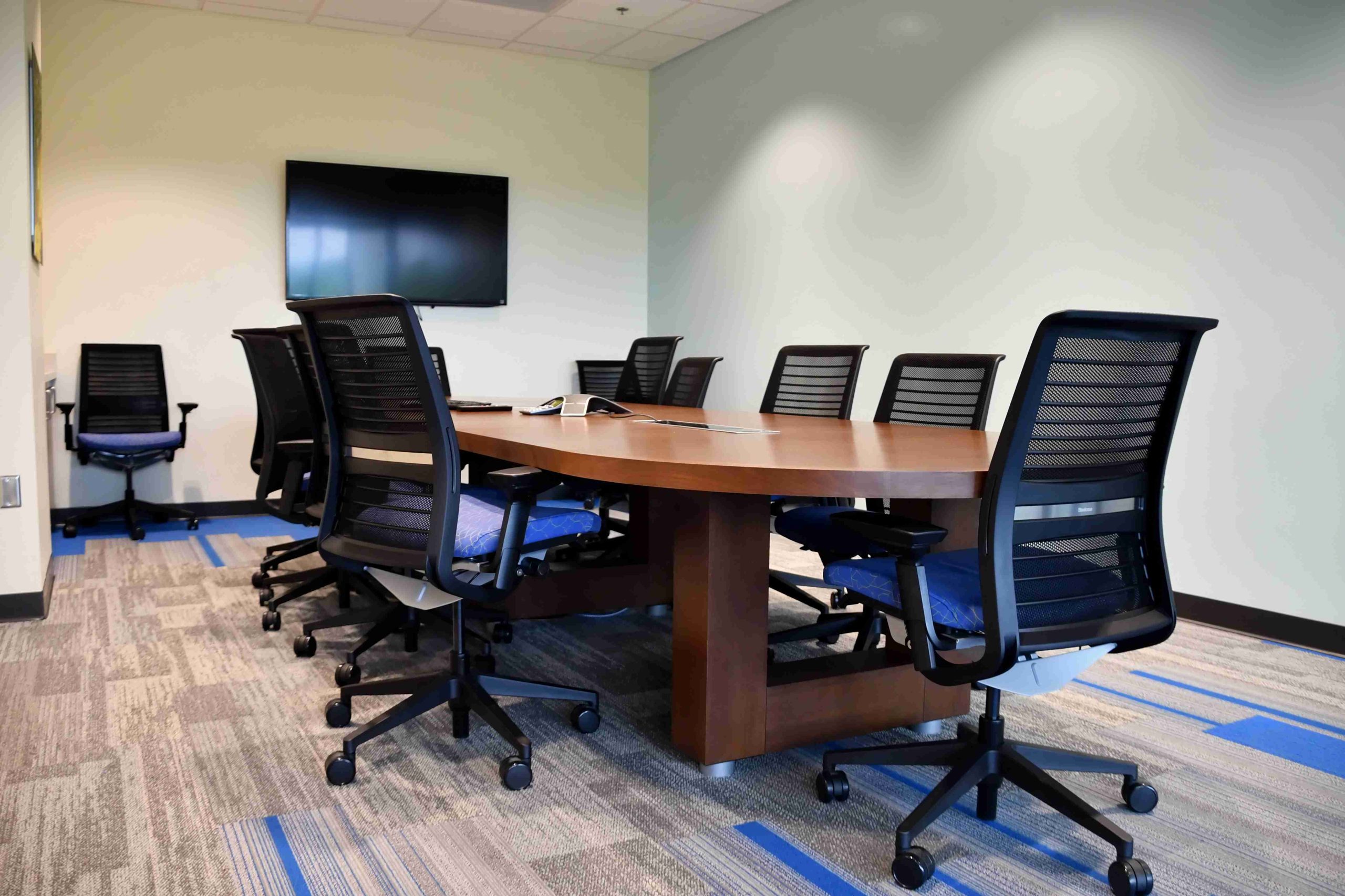
A standard meeting room space is designed for structured discussions and presentations.
Typical features include:
- Conference tables.
- Presentation screens.
- Audio-visual equipment.
- Comfortable seating.
- Privacy for discussions.
These rooms work well for board meetings, client discussions, and project reviews.
-
Open Space Meeting Areas
An open space meeting environment promotes collaboration and communication.
Advantages include:
- Informal atmosphere.
- Easy interaction.
- Increased team engagement.
- Encouragement of spontaneous discussions.
- Enhanced workplace connectivity.
Open meeting spaces are particularly useful for collaborative teams and creative departments.
-
Creative Meeting Space
A creative meeting space is designed to stimulate innovation and fresh thinking.
Common features include:
- Flexible furniture.
- Collaborative workstations.
- Whiteboards and idea walls.
- Comfortable breakout areas.
- Inspiring design elements.
These environments are ideal for brainstorming sessions, workshops, and innovation meetings.
-
Event Meeting Space
An event meeting space accommodates larger groups and formal business gatherings.
Examples include:
- Corporate conferences.
- Product launches.
- Training seminars.
- Networking events.
- Annual meetings.
Such venues typically offer scalable seating arrangements and professional event facilities.
Factors to Consider When Choosing a Meeting Space
Several practical considerations should guide your decision.
-
Define the Purpose of the Meeting
Before selecting a venue, identify the primary objective.
Different meetings require different environments.
| Meeting Type | Recommended Space |
|---|---|
| Brainstorming | Creative Meeting Space |
| Training Session | Flexible Meeting Space |
| Board Meeting | Meeting Room Space> |
| Team Collaboration | Open Space Meeting |
| Corporate Event | Event Meeting Space |
Understanding the purpose helps narrow down suitable options.
-
Consider Team Size
The size of your group directly affects venue requirements.
Questions to ask include:
- How many participants will attend?
- Is future expansion likely?
- Will guests or clients join?
- Is breakout space required?
An overcrowded room can reduce comfort, while a room that is too large may limit engagement.
-
Evaluate Room Layout Options
Room configuration influences interaction and communication.
Popular layouts include:
| Layout Style | Best For |
|---|---|
| Boardroom | Executive meetings |
| Classroom | Training sessions |
| U-Shape | Workshops |
| Theatre | Presentations |
| Collaborative Pods | Team discussions |
Choose a layout that supports meeting objectives.
The Importance of Flexible Meeting Spaces
Businesses increasingly prefer flexible meeting spaces that can adapt to different needs.
Adaptability for Different Activities
Flexible spaces can accommodate:
- Presentations.
- Group discussions.
- Workshops.
- Training sessions.
- Team-building activities.
Movable furniture allows organisations to customise layouts as needed.
Cost Efficiency
A single adaptable venue can serve multiple purposes.
Benefits include:
- Better space utilisation.
- Reduced facility costs.
- Increased scheduling flexibility.
- Improved return on investment.
This versatility makes flexible spaces highly attractive for modern businesses.
Technology Requirements for Modern Meetings
Technology plays a critical role in today’s meeting environments.
-
Essential Technology Features
Modern meeting spaces should offer:
- High-speed internet.
- Video conferencing tools.
- Presentation screens.
- Wireless connectivity.
- Audio systems.
Reliable technology ensures meetings run smoothly and professionally.
-
Supporting Hybrid Work Models
As remote work becomes more common, meeting spaces must accommodate virtual participants.
Important features include:
- High-quality cameras.
- Clear audio systems.
- Screen-sharing capabilities.
- Video conferencing integration.
Hybrid-friendly meeting rooms help connect in-person and remote attendees effectively.
Creating a Comfortable Meeting Environment
Comfort has a direct impact on participation and focus.
-
Furniture and Ergonomics
Attendees may spend several hours in a meeting.
Consider:
- Comfortable chairs.
- Appropriate table height.
- Adequate personal space.
- Flexible seating arrangements.
Physical comfort contributes to better engagement.
-
Lighting and Acoustics
Environmental factors often determine meeting success.
Look for:
- Natural lighting where possible.
- Proper temperature control.
- Good ventilation.
- Minimal background noise.
- Acoustic treatments.
These elements help maintain concentration and reduce fatigue.
Accessibility and Location Considerations
Convenience significantly affects attendance and participant satisfaction.
Easy Accessibility
A good meeting venue should be easy to reach.
Important factors include:
- Public transportation access.
- Parking availability.
- Clear directions.
- Accessibility features.
- Nearby amenities.
Convenient locations encourage punctuality and participation.
Safety and Security
Organizations should also assess venue safety.
Consider:
- Building security.
- Emergency exits.
- Fire safety measures.
- Visitor management systems.
A secure environment creates confidence among attendees.
Common Mistakes to Avoid When Choosing a Meeting Space -H2
Many organizations make avoidable errors during venue selection.
Choosing Based Only on Price
Low-cost venues may lack critical amenities.
Always evaluate:
- Technology.
- Comfort.
- Accessibility.
- Flexibility.
- Support services.
Ignoring Future Needs
Consider potential growth and evolving requirements.
A venue that works today should also accommodate future demands.
Overlooking Technical Support
Even the best technology can fail without proper support.
Verify:
- On-site assistance.
- Equipment reliability.
- Internet backup options.
Technical issues can quickly disrupt productive meetings.
Why the Right Meeting Space Supports Business Success
The meeting environment directly influences business outcomes.
Benefits of selecting the right venue include:
- Better collaboration.
- Improved decision-making.
- Increased productivity.
- Enhanced employee engagement.
- Stronger client impressions.
Investing in the right meeting room space is ultimately an investment in organisational performance.
Conclusion
Choosing the perfect meeting space involves much more than finding an available room. The ideal venue should align with your meeting objectives, support collaboration, provide the necessary technology, and create a comfortable environment for participants. Whether you require an open space meeting area for teamwork, a creative meeting space for innovation, a versatile, flexible meeting space for multiple uses, or a professional event meeting space for larger gatherings, thoughtful planning is essential.
By evaluating factors such as layout, capacity, accessibility, technology, and comfort, organisations can create more productive meetings that drive meaningful outcomes. The right space doesn’t simply host conversations; it helps teams collaborate better, think more creatively, and achieve their goals more effectively.