
Overall Summary
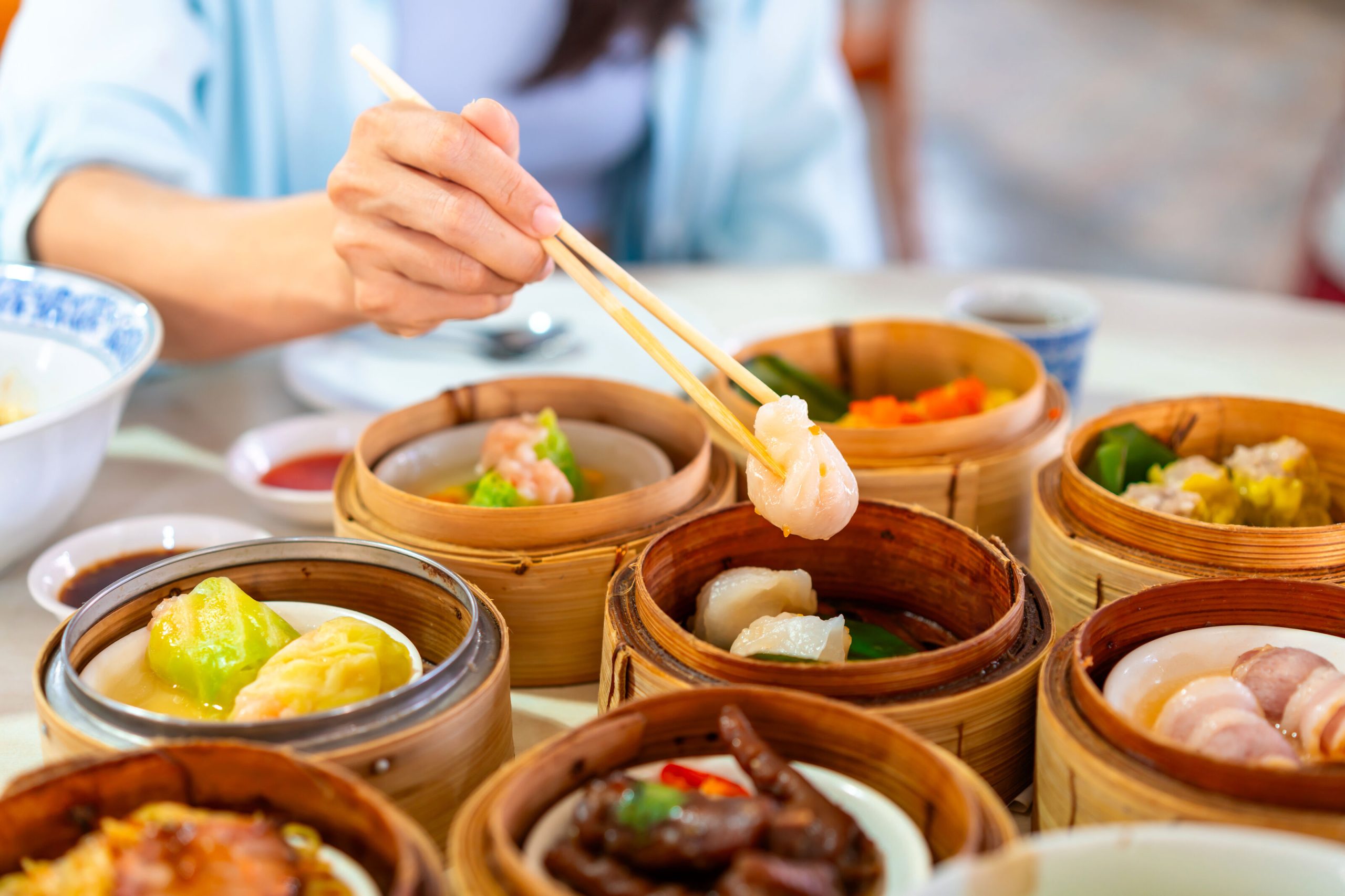
Dim sum is one of the most celebrated culinary traditions in Chinese cuisine, known for its variety of bite-sized dishes served with tea. Originating in Southern China, particularly Guangdong province, dim sum has evolved into a global dining experience enjoyed during brunch, family gatherings, and social occasions. From traditional Cantonese dim sum dishes to modern vegan dim sum creations, this cuisine offers something for every palate. This guide explores what is dim sum, its origins, popular varieties, nutritional value, serving style, and why enjoying dim sum at Boomerüng Café is a unique culinary experience.
Key Takeaways
- What is dim sum? It is a collection of small Chinese dishes traditionally served with tea.
- The history of dim sum dates back to ancient tea houses along China’s Silk Road.
- There are numerous types of dim sum, including steamed, fried, baked, vegetarian, and vegan options.
- Cantonese dim sum dishes remain the most popular and widely recognized worldwide.
- Modern restaurants now offer innovative vegan dim sum and vegetarian alternatives.
- Understanding dim sum nutrition helps diners make informed choices.
- Boomerüng Café offers a carefully curated dim sum experience combining authenticity and contemporary flavors.
Introduction
Chinese cuisine is known for its diversity, rich flavors, and unique dining traditions. Among its most beloved culinary experiences is dim sum, a collection of small, flavorful dishes traditionally enjoyed with tea. Whether served in bamboo baskets, on elegant plates, or as part of a leisurely brunch, dim sum brings people together through shared dining and conversation.
For many first-time diners, the question is simple: what is dim sum? Is it a meal, a snack, or a style of dining? The answer is all three. Dim sum represents a centuries-old Chinese tradition where a variety of small dishes are served and shared among family and friends. Today, dim sum has become a global favourite, offering everything from classic dumplings to modern vegan dim sum options. This guide explores the origins, varieties, ingredients, nutritional aspects, and dining experience that make dim sum a must-try culinary tradition.
Understanding the Meaning of Dim Sum
The term “dim sum” roughly translates to “touch the heart,” reflecting the idea of enjoying small, satisfying bites rather than a large meal. Dim sum refers to a collection of small Chinese dishes traditionally served alongside tea. Rather than ordering a single main course, diners enjoy multiple small portions that are shared among the table.
Key characteristics include:
- Small portion sizes.
- Shared dining experience.
- Wide variety of flavors and textures.
- Served with Chinese tea.
- Often enjoyed during brunch or lunch.
Unlike a standard meal, dim sum encourages diners to sample multiple dishes in one sitting.
Why Dim Sum Is More Than Just Food
Dim sum is deeply connected to Chinese culture and social traditions.
It represents:
- Family gatherings.
- Weekend brunch outings.
- Community dining.
- Tea culture.
- Culinary craftsmanship.
The experience is as important as the food itself.
The History of Dim Sum
The history of dim sum can be traced back more than a thousand years to Southern China.
Origins in Ancient Tea Houses
Dim sum developed alongside the tradition of drinking tea.
Travellers along the Silk Road would stop at tea houses to rest and enjoy light refreshments. Over time, these snacks became more elaborate and diverse.
Important milestones include:
- Development in Guangdong province.
- Popularity in Cantonese culture.
- Expansion through trade routes.
- Evolution into a dedicated dining tradition.
How Dim Sum Became a Global Favourite
As Chinese communities migrated worldwide, dim sum travelled with them.
Today, dim sum is enjoyed in:
- Hong Kong.
- Singapore.
- Malaysia.
- North America.
- Europe.
- India.
Its universal appeal comes from its variety and shareable format.
Popular Types of Dim Sum
There are hundreds of types of dim sum, each offering unique flavours and textures.
-
Steamed Dim Sum
Steaming is one of the most traditional cooking methods used in dim sum preparation.
Popular examples include:
- Dumplings.
- Buns.
- Rice rolls.
- Stuffed vegetable parcels.
Steamed dishes are generally lighter and retain natural flavours.
-
Fried Dim Sum
Fried dim sum offers a crispy texture and rich flavour profile.
Common varieties include:
- Spring rolls.
- Fried dumplings.
- Crispy taro puffs.
- Sesame balls.
These dishes provide a satisfying contrast to steamed options.
-
Baked Dim Sum
Baked items are particularly popular in Cantonese cuisine.
Examples include:
- Egg tarts.
- Pineapple buns.
- BBQ buns.
- Pastry-based snacks.
They add sweetness and variety to the dining experience.
Cantonese Dim Sum Dishes You Must Try
Cantonese dim sum dishes are considered the foundation of traditional dim sum culture.
-
Signature Cantonese Favourites
These dishes have become internationally recognised.
Popular choices include:
- Har Gow (shrimp dumplings).
- Siu Mai (open-faced dumplings).
- Char Siu Bao (barbecue pork buns).
- Cheung Fun (rice noodle rolls).
These dishes showcase the balance and simplicity that define Cantonese cooking.
-
Modern Interpretations
Many restaurants now combine traditional recipes with contemporary ingredients.
Examples include:
- Truffle-infused dumplings.
- Gourmet vegetable buns.
- Fusion dim sum creations.
- Plant-based alternatives.
These innovations keep dim sum exciting for modern diners.
-
Vegan Dim Sum and Vegetarian Options
The growing popularity of plant-based dining has led to an increase in vegan dim sum offerings.
Vegan Dim Sum Choices
Modern chefs use creative ingredients to replicate traditional textures and flavours.
Common options include:
- Mushroom dumplings.
- Vegetable buns.
- Tofu-filled rolls.
- Spinach and water chestnut dumplings.
These dishes are suitable for vegan diners while maintaining an authentic dim sum appeal.
Vegetarian Dim Sum Recipe Inspirations
A simple vegetarian dim sum recipe often includes fresh vegetables and aromatic seasonings.
Popular ingredients include:
- Cabbage.
- Carrots.
- Mushrooms.
- Tofu.
- Spring onions.
- Ginger.
Vegetarian dim sum continues to gain popularity among health-conscious diners.
Dim Sum Ingredients List
The dim sum ingredients list varies depending on the recipe and region.
Common Ingredients Used in Dim Sum
Traditional dim sum recipes often feature:
| Ingredient Category | Examples |
|---|---|
| Flour & Wrappers | Wheat flour, rice flour |
| Vegetables | Cabbage, mushrooms, carrots |
| Proteins | Shrimp, chicken, pork, tofu |
| Seasonings | Soy sauce, sesame oil, ginger |
| Garnishes | Spring onions, coriander |
The combination of these ingredients creates the diverse flavours associated with dim sum.
Dim Sum Nutrition and Calories
Many diners are interested in dim sum nutrition and calorie content.
Calories in Dim Sum
The number of calories in dim sum depends on cooking methods and ingredients.
| Dim Sum Type | Approximate Calories |
|---|---|
| Steamed Dumpling | 40–70 calories |
| Vegetable Dumpling | 35–60 calories |
| Spring Roll | 80–120 calories |
| Steamed Bun | 100–180 calories |
| Egg Tart | 180–250 calories |
Steamed dishes generally contain fewer calories than fried or baked options.
Nutritional Benefits
Dim sum can be part of a balanced diet when enjoyed in moderation.
Benefits include:
- Protein-rich fillings.
- Vegetable-based options.
- Portion-controlled servings.
- Variety of nutrients.
Choosing steamed and vegetable-focused dishes can support healthier dining habits.
How Is Dim Sum Served?
One of the most unique aspects of dim sum is its serving style.
Traditional Serving Style
Historically, servers pushed carts loaded with dishes around the dining room.
Guests selected dishes directly from the carts, creating an interactive experience.
Traditional features include:
- Bamboo steamers.
- Small sharing plates.
- Continuous tea service.
- Multiple rounds of dishes.
Modern Dim Sum Service
Many restaurants now use menu-based ordering while preserving traditional presentation.
Advantages include:
- Freshly prepared dishes.
- Greater customisation.
- Expanded menu options.
- Consistent quality.
Regardless of the service style, sharing remains central to the experience.
Why Try Dim Sum at Boomerüng Café?
Boomerüng Café brings together authentic inspiration and contemporary dining experiences.
-
A Diverse Dim Sum Selection
Guests can explore a range of flavours and textures through carefully prepared dishes.
Highlights include:
- Traditional-inspired recipes.
- Vegetarian-friendly options.
- Fresh ingredients.
- Modern presentation.
- Perfect for Social Dining
Dim sum is designed to be shared.
Whether you’re dining with family, friends, or colleagues, the variety of dishes encourages conversation and discovery.
-
A Unique Brunch Experience
For diners looking beyond traditional brunch options, dim sum provides something different. The combination of tea, small plates, and diverse flavours creates a memorable dining experience suitable for every occasion.
Also Read: 10 Easy High-Protein Breakfast Ideas
Conclusion
Understanding what dim sum is reveals much more than a category of food. It is a centuries-old dining tradition rooted in Chinese tea culture and built around sharing, variety, and community. From the rich history of dim sum to the many types of dim sum available today, this culinary experience offers something for every taste preference.
Whether you enjoy traditional Cantonese dim sum dishes, explore modern vegan dim sum, or seek healthier options by understanding dim sum nutrition, there is always something new to discover. At Boomerüng Café, guests can experience the joy of dim sum through thoughtfully prepared dishes, welcoming hospitality, and a dining atmosphere that celebrates the social spirit of Chinese brunch culture.